The Kurdish Role in the Iran-Israel War is Larger Than We Think
The Iran-Israel war is being framed as a confrontation between three states, but the most powerful actor may not be Tehran, Washington, or Jerusalem. Instead, the Kurds—with factions spread across Iran, Iraq, and Syria—hold an unexpected strategic influence over the conflict’s outcome. After serving as a reliable partner with the United States against the Islamic State (ISIS) and then being repeatedly abandoned, the same forces the United States once relied upon to defeat ISIS are now being asked to help confront Iran’s regime—yet Kurdish leaders, particularly in Syria, are speaking out against a cycle of Western intervention that treats them as expendable proxies. This creates strategic leverage to shape the war’s outcome, simply because they have learned the costs of participating in the West’s recurring interventionist playbook.
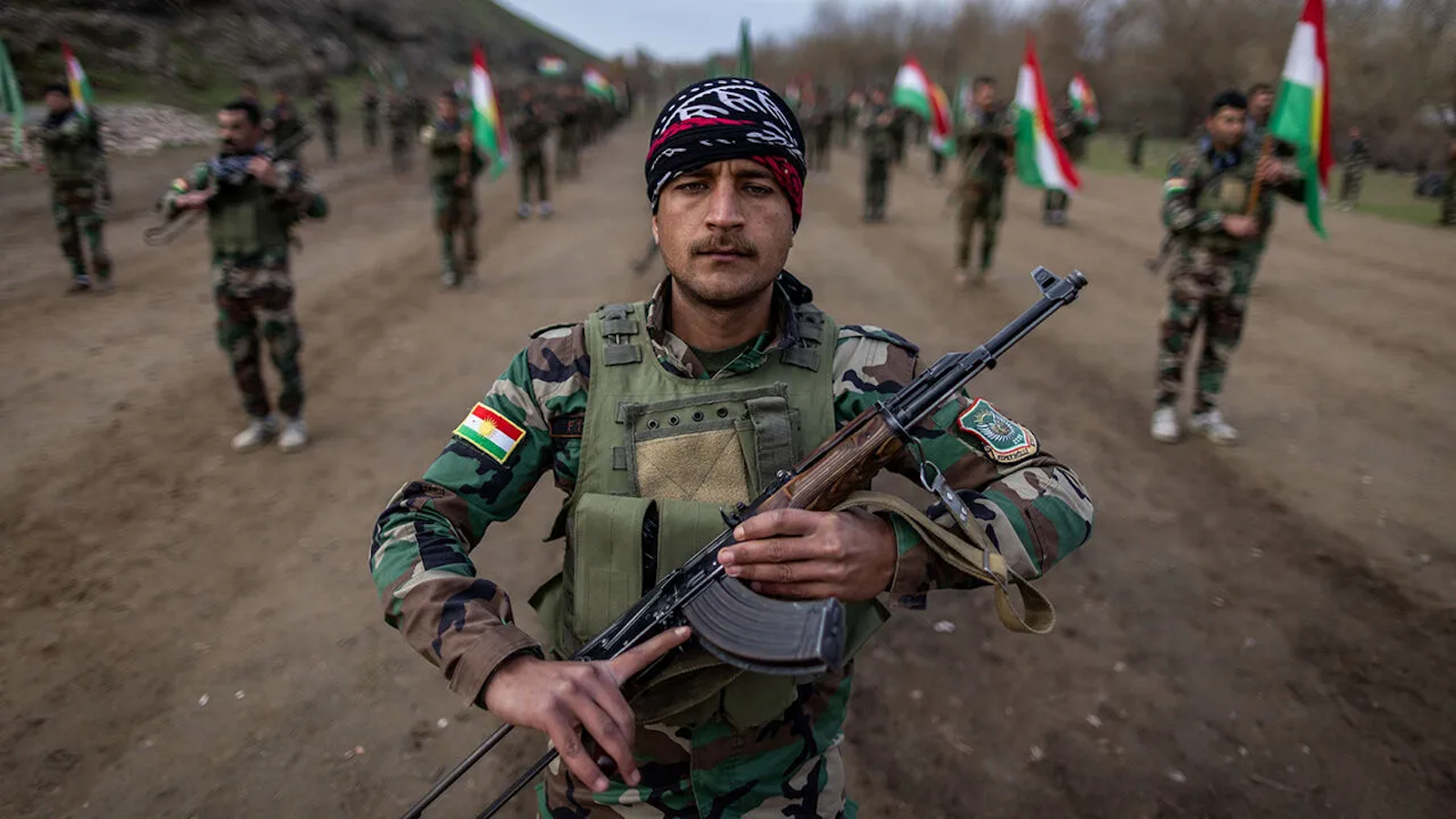
Kurdish militias were the backbone of the American-led campaign against ISIS in Iraq and Syria, where armed factions executed the majority of the ground fighting that ultimately helped regain territorial control. Praising the Kurds as the most reliable partner to the US in the region, the alliance was solidified after Trump’s announcement of ISIS defeat in 2019 and held up until recent clashes between the Kurds and the new interim government in Syria (which also garnered US Government support). The US-sponsored Kurdish presence in the Syrian north is also conveniently located by the oil wells of Al Hasakah, positioning the group as a central actor in American security dynamics in the region.
Despite cooperation on the ground, Kurdish forces have been repeatedly left hanging by the United States during regional power struggles and diplomatic autonomy efforts—most recently seen in the Syrian government’s takeover of the northeast. Months of integration talks after the fall of Assad led to shaky agreements accented by sporadic fighting between Kurds in the SDF and the Syrian military over political autonomy that ultimately led to the defeat. Defending the new status quo in Damascus, US Envoy Tom Barrack quickly announced the expiration of the SDF’s original purpose, pushing the Kurds to integrate after losing a significant amount of territory. The US also abandoned the group in 2019 after withdrawing American troops from northern Syria, leaving the Kurds vulnerable to attacks from Turkey immediately after.
The historic lack of support prompted a special message from the official Kurdistan ‘X’ account this month emphasizing that the group has “learned from the past” and wants a partnership based on “real guarantees.” The above pattern cultivated a perception that Western alliances are transactional and temporary, as the message indirectly addresses the repeated letdowns, implying that any future aid would require concrete delivery of American promises. Since then, reports indicating that the CIA has armed Iranian Kurdish groups within Iran have been released, despite outright denial from the Trump Administration. In reality, Kurdish fighters are a significant pressure point that can influence stability within their own enclaves and border security dynamics in Syria, Iraq, and Iran. A recent declaration from Kurdistan Free Life Party (PJAK) Co-Chair refusing to “fight other powers’ wars” demonstrates the group’s newfound understanding of its power, signaling a growing skepticism among the scattered population.
Kurdish leaders in Syria’s northern region who’ve worked with the US on a long-term basis since the fight against ISIS, have openly warned Iranian Kurds not to join US-backed operations in Iran, claiming it’s another trap as seen in previous historical betrayals. This recognition of a western reliance on local fighters to preserve their own military resources reminds us why Kurdish leadership originally said ‘yes’ to previous invitations, and their main objectives: Local autonomy and globally-recognized defined borders.
The Kurdish influence does not only lie in military capability, but the political choice—to refuse or participate—which could shape the entire trajectory of the Iran conflict. By withholding support, the Kurds could force external powers like the United States to reconsider intervention, while limiting other escalation pathways that could prevent large-scale conventional war and save innocent lives. If they decide to participate, recruits from their regional counterparts in Syria and Iraq could strengthen the fight against the Islamic regime while expanding the conflict to neighboring countries. This subtle yet powerful form of leverage sheds light on the blatant flaw in Western Middle East policy: its persistent overreliance on proxies it doesn’t fully comprehend or control. Whether or not Iranian Kurds mobilize for the US, the West’s repeated cycle of intervention and abandonment erodes trust and undermines future partnerships—which calls for a fundamental rethink of its crisis strategy.
The war with Iran may be shaped less by American and Israeli airstrikes and more by decisions made within Kurdish leadership circles across various Middle East countries. The Kurds have learned their lesson on the costs of serving as replaceable proxies who execute Western interests, and now possess strategic leverage to shape one of the most decisive conflicts yet. Who knew the greatest power of a proxy isn’t in what it does—but in its ability to refuse?
Free the People publishes opinion-based articles from contributing writers. The opinions and ideas expressed do not always reflect the opinions and ideas that Free the People endorses. We believe in free speech, and in providing a platform for open dialogue. Feel free to leave a comment.