Greenland’s Crisis Isn’t Sovereignty, It’s Nuclear Deadlines
Amid rumors of a Greenland purchase, many are overlooking another impending deadline—one that could dramatically reshape the world order.
The New START arms-reduction pact, an Arctic nuclear treaty between the US and Russia expired on February 5, sparking Trump’s refusal to extend the pact, which leaves both Washington and Moscow free to expand their nuclear arsenals. Both appear poised to take this controversial step, especially with Putin’s recent signaled desire to rebuild diplomatic ties with European states. This emerging nuclear freedom may explain the American rush for an immediate Greenland deal, keeping the island in the geopolitical spotlight far longer than expected.
High Stakes
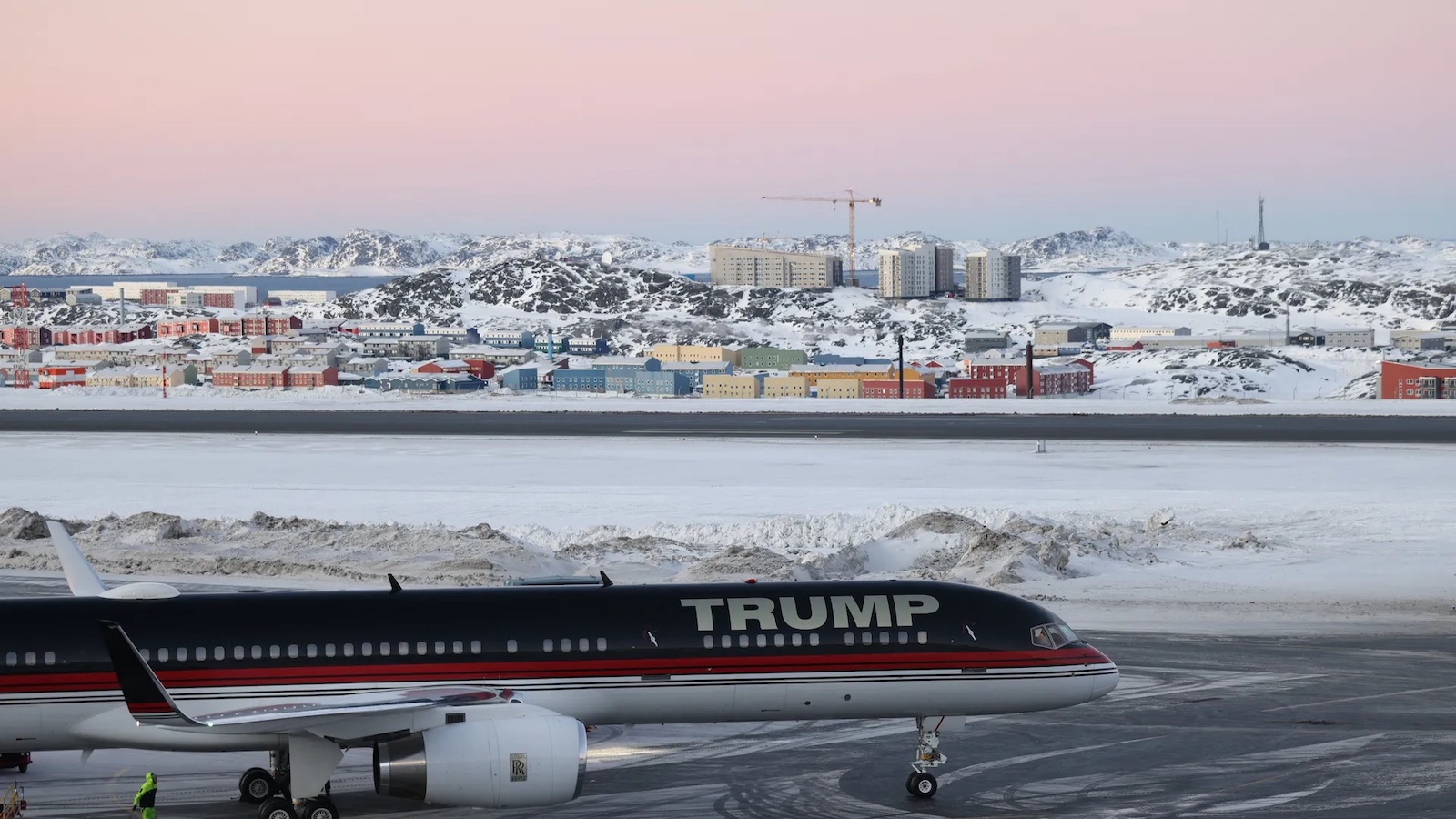
Renewed US interest in acquiring Greenland is more than just about national security; the island has become the main arena in the race for Arctic power between its adversaries—specifically Russia and China. It holds crucial access to the melting Northwest Passage and Northern Sea Route, which wrap around the entire country. Whoever controls these trade routes essentially controls all of Arctic shipping. Rare earth elements (ideal for tech and defense systems), precious metals, and rumored oil reserves also incentivize the United States’ expansion of military bases in the region.
In January, NATO Top Commander Gen. Alexus Grynkewich affirmed the Arctic as the newest war zone, suspecting the Russian bases in the north to have deployed armed submarines in the surrounding seas. Whether his remarks are an attempt to unify NATO after Trump’s inflammatory comments or a desire to avoid a repeat of the Cuban Missile Crisis in our northern waters, the fact remains: the only safeguard the US would have from incoming Russian submarines in the Atlantic is the Faslane base in Scotland. Chinese and Russian equipment have crossed the American Exclusive Zone near Alaska in the past, so the concern is valid.
Arctic geopolitics are intertwined with the stipulations of the New START treaty, specifically signed to reduce overall nuclear arms production by the US and Russia in 2010, and complete with at least 18 on-site inspections for both parties to ensure compliance. The treaty’s end could mean massive accumulation of nuclear power around Greenland in the near future—whether through a revival of Camp Century, a secret US military base powered by a portable nuclear reactor under the island’s ice, or further build up of Russia’s Northern Fleet. Both actions would be clear attempts to deter either country’s growing influence in the neighborhood, and the newfound legality of stockpiling weapons would raise the risk of regional escalation even further.
Why the Rush?
Steve Witkoff and Jared Kushner’s positive meeting with Putin last week centered on Ukraine, but can also be interpreted as a step in the right direction for the two countries, resulting in plans for a future three-way conversation in the UAE. The year-long rush to make a territorial deal with Russia is strategic and may include presenting Putin with an agreement he cannot refuse—alongside additional Arctic or nuclear stipulations, which would be a responsible angle for Trump to take at this point. Acquiring Greenland is less about the island itself—its rare mineral deposits and billions of barrels of oil aside—and more about American positioning before a potential increase of nuclear weapons in the Arctic. Putin’s added urgency of regaining diplomatic power with the EU before the deadline suggests the Kremlin is also nervous about its rival’s weapons production.
Nuclear Implications
The fight for the north has quickly transformed into a game of Risk, with America’s newfound interest in Alberta confirming the Arctic as a long-term flashpoint for the heavily anticipated World War III. America’s goal of establishing a military presence in Greenland won’t dissipate anytime soon given its added advantage of deterring China’s influence in the region. Its aspirations for nuclear and mineral influence only increases potential for future conflicts—and a long-term impact on US-Russian relations in the broader global order.
During his Davos speech, President Trump stepped back from previous threats of tariffs and military force in Greenland. He would be wise to continue in this way, adopting a more measured and strategic approach to Arctic diplomacy over outlandish threats to force transactional purchases. Negotiations should also emphasize nuclear treaty extension, transparency and regional cooperation to avoid global catastrophe. Though Trump has made it clear that military expansion in Greenland is the goal, the global debate about its sovereignty is merely a symptom of a much larger problem—a looming nuclear deadline.
Free the People publishes opinion-based articles from contributing writers. The opinions and ideas expressed do not always reflect the opinions and ideas that Free the People endorses. We believe in free speech, and in providing a platform for open dialogue. Feel free to leave a comment.