There’s No Such Thing as ‘Free’ Bus Fare
“Removing the financial barrier to ride has decreased car dependency” in other cities.
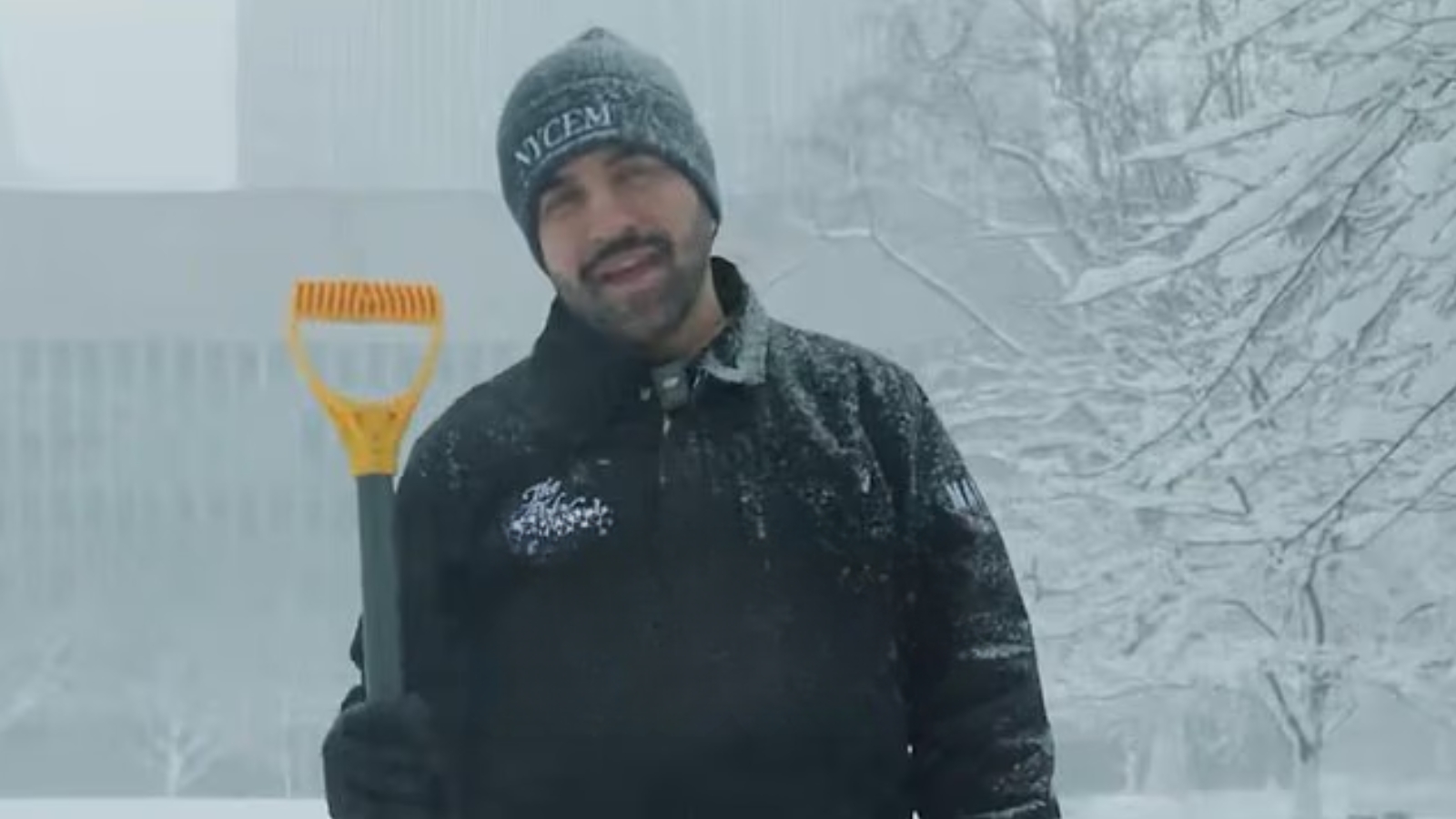
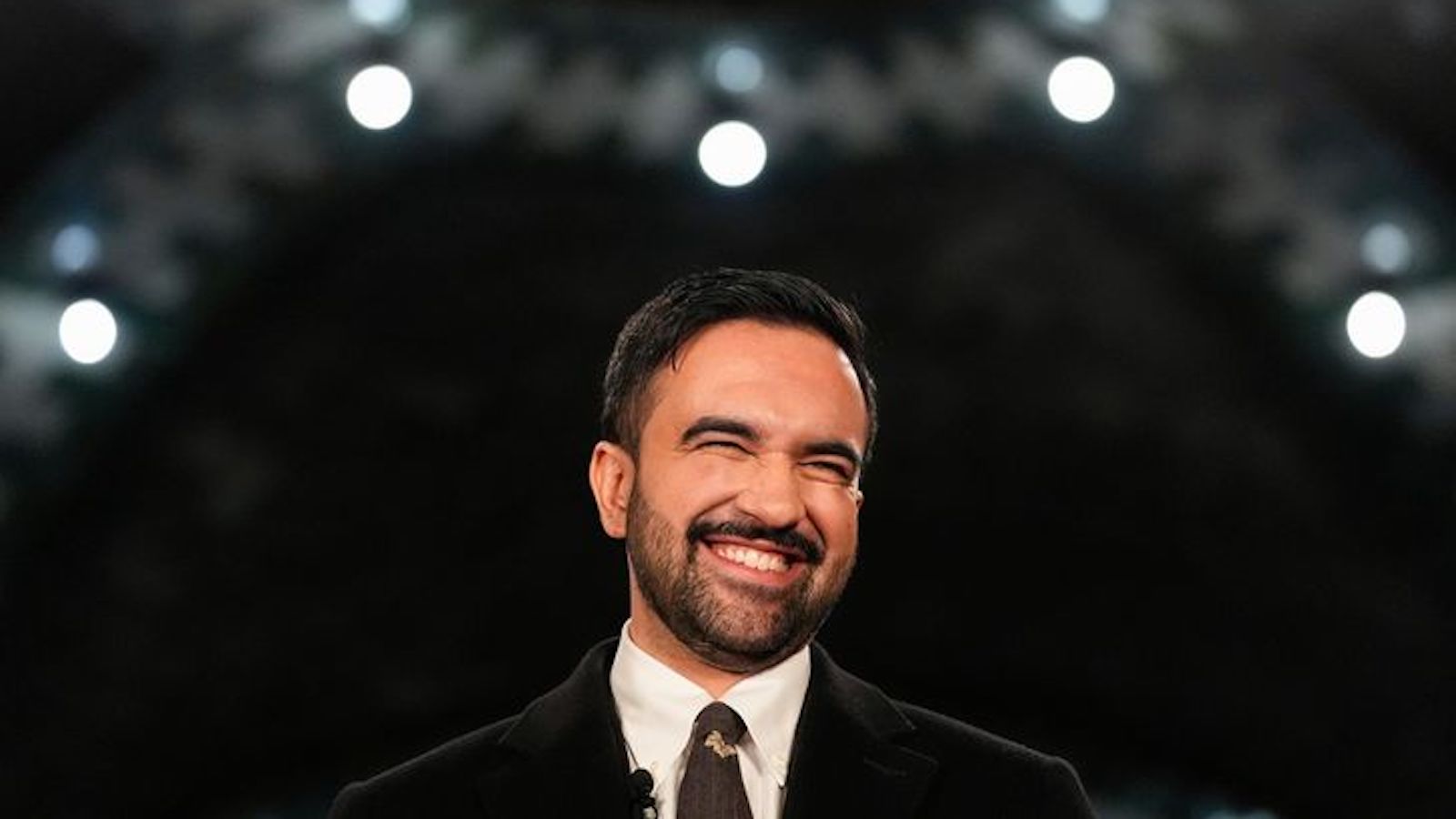
New York City Mayor Zohran Mamdani on his free bus fares plan? No. It’s one of his fellow travelers here in San Antonio in a recent interview discussing a similar proposal. He currently has the support of two other socialist city council members, and one progressive.
Mayor Gina Ortiz Jones supports a pilot program to test it out.
In a related story, I will soon be hanging up my chauffeur hat when my youngest daughter takes her driving test next month. None of her three sisters have expressed a desire to be relieved of their “dependence” on their respective cars.
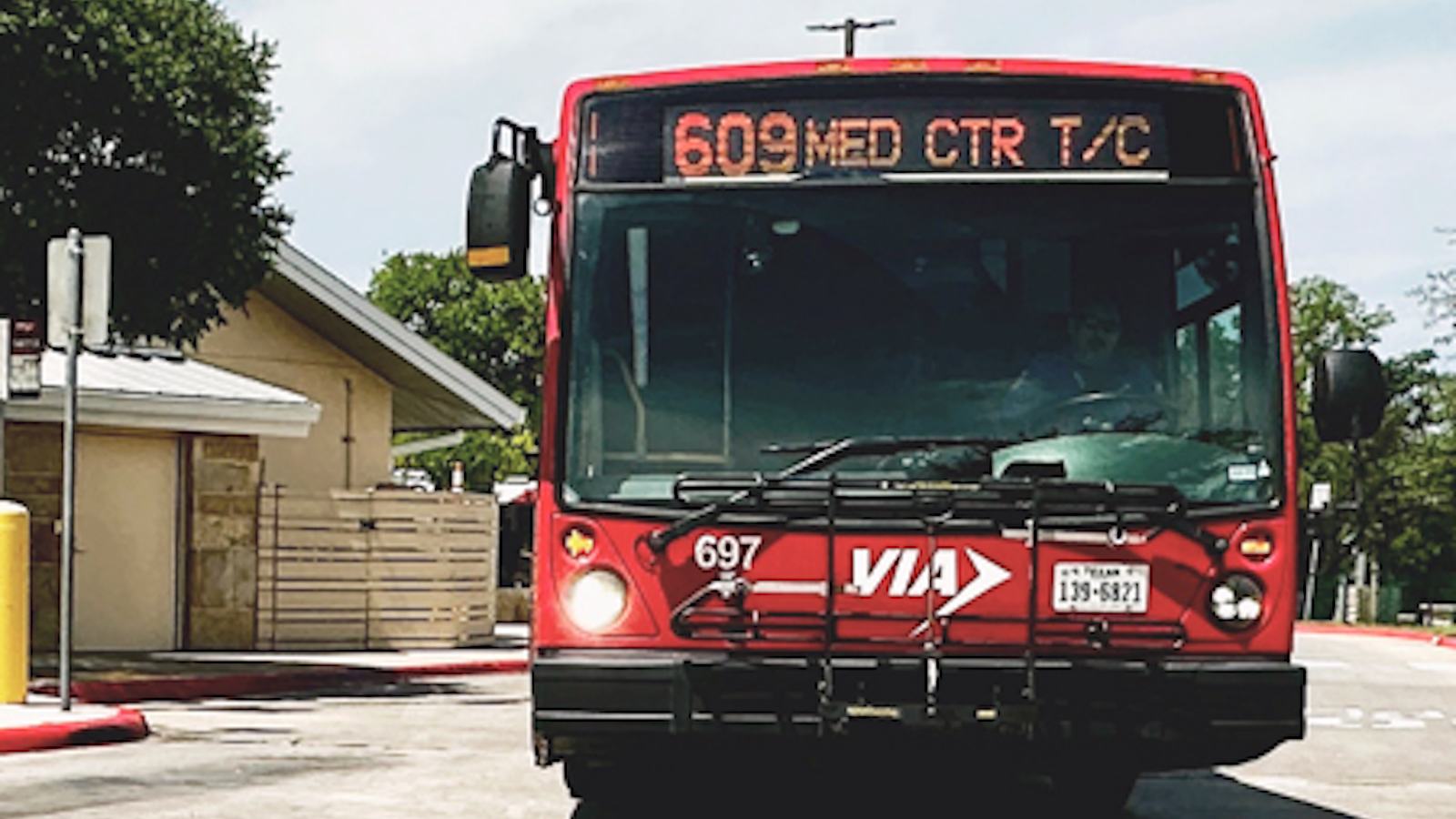
My third daughter did actually try Via (our public transit system) when she started the University of Texas-San Antonio last fall. Soon thereafter, Ukrainian immigrant Iryna Zarutska was stabbed to death on a light rail in Charlotte, North Carolina.
Her mom and I leaned on her to reconsider. She drives to campus now.
That’s just one of the concerns with this ‘free’ fare idea. Another is the challenge that vocabulary poses for political leaders pushing it, starting with the word “free.”
Are the buses donated? Do drivers volunteer their time? Is fueling/charging costless since they have their own stations? Most folks can see through such verbal shenanigans, knowing full-well that the taxpayer foots the bill.
The dedicated sales tax that partially finances Via will even rise a bit soon, when it reincorporates what had been diverted to a local workforce training program over the last several years.
More word chicanery can be found in asserting that drivers have a “dependency” on their cars. It’s more accurate to say that we’re dependent on having transportation. We need it to get to work, to the store, to get our kids to school, etc.
When we hop onto a bus, we’re depending on it to be functioning properly. We’re depending on the driver to be on time. We’re depending on other passengers to contribute to a smooth, “peaceful” ride.
That peace was important enough to one rider in Kansas City that he is glad they’re abandoning their ‘free’ fare experiment. Incidentally, that’s one program the councilman here has touted in making his case.
Due diligence appears to have suffered at the expense of the zeal to make more stuff ‘free’.
“There’s just a lot going on those busses,” the KC rider continued. That sentiment is echoed not only by some riders in the Big Apple, but also the head of the Via drivers’ union. He worries about “confrontations … people with no destinations … dirtier” buses, etc.
Riders get a pretty good deal here as-is, with fares as low as a buck and a quarter a day. Until Via police start riding along, there are probably others like the one in KC who appreciate a firm price signal that tends to keep such trouble at bay.
Moreover, it wouldn’t be the worst idea to go in the other direction on fares.
Not only would it further enhance safety for riders (assuming that’s a priority), who are just trying to get to work or school, but it would ease the several hundred million dollars drag on taxpayers.
Our own cars on the other hand, give us INdependence.
We drive ourselves. We fill up our own tanks. We keep our own tires inflated. We keep an eye on fluid levels. If there’s a problem, we either take it to our pick of several mechanics, or we fix it ourselves.
Of additional concern here are the attitudes and methods of the powers that be.
Via leaders, although resistant to this plan, otherwise talk in terms of “persuading” us to “ditch” our cars. The political establishment implies that we are immature, wondering when we will “grow up and get out of” them.
They propose adding a tax to our cell phone bills, and/or a “new sales tax” for just this ‘free’ fare idea, to push people into a service that most of them are clearly not interested in.
Factor in other overlapping taxing entities, like the city and school districts, who are considering their own property tax hikes, and a “small increase” here and there adds up for families trying to make ends meet.
Some, like mine growing up, will simply move outside city limits. Many already have. When local leaders claim San Antonio is growing fast, they neglect to mention that surrounding counties are growing faster.
Though buses that serve some areas of town could be downsized to more accurately fit demand, public transportation has a place in San Antonio. However, it’s as a bridge to more independence one day.
Being prodded to ride against our will, by forcefully taking more from us through taxing more aspects of our lives, is not that.
Free the People publishes opinion-based articles from contributing writers. The opinions and ideas expressed do not always reflect the opinions and ideas that Free the People endorses. We believe in free speech, and in providing a platform for open dialogue. Feel free to leave a comment.