Ring Kills Flock Safety Partnership, but Surveillance State Still Lives
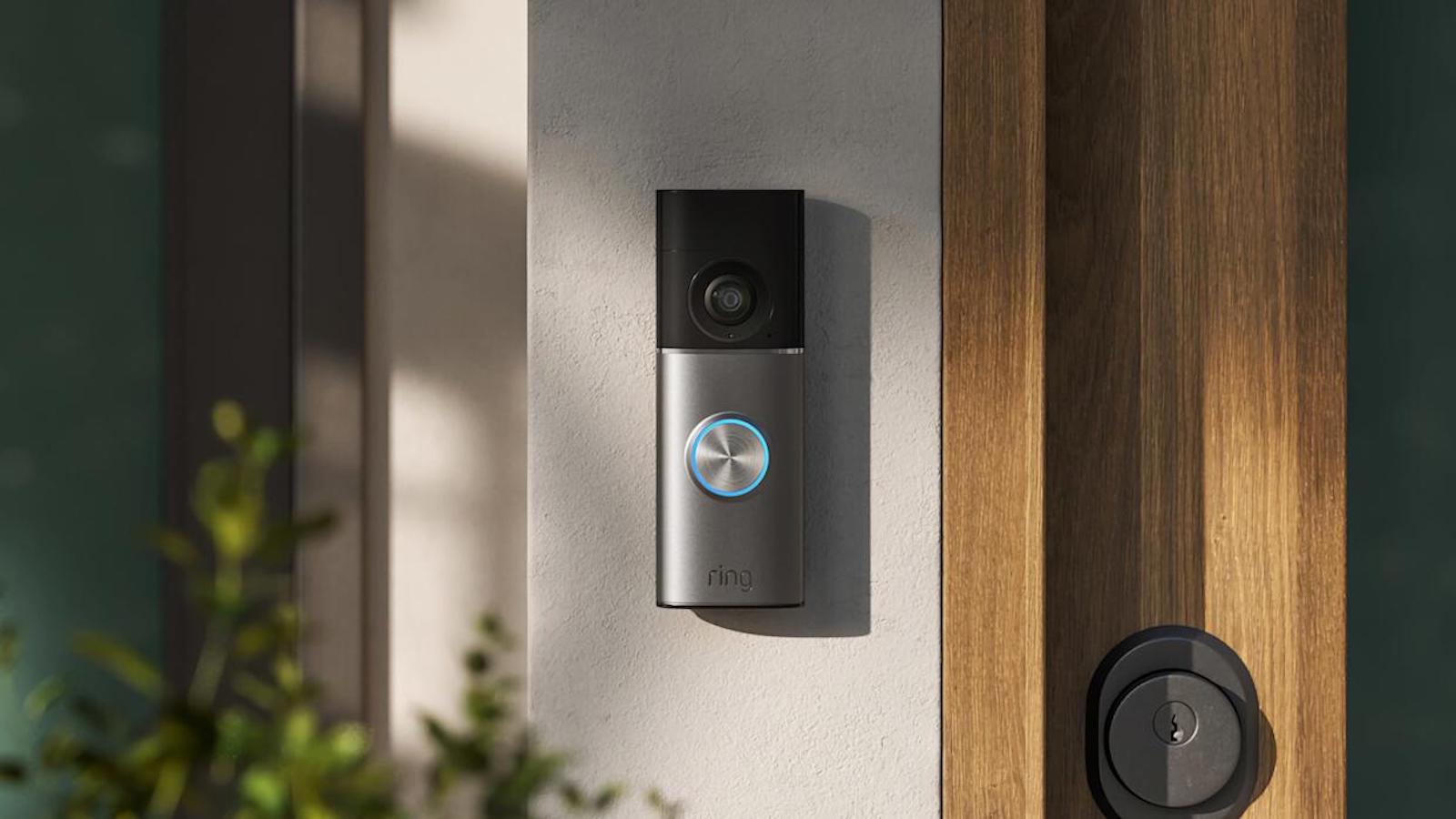
When Amazon-owned Ring Security Alarm Systems cancelled their partnership with Flock Safety Integration Systems following a public uproar over concerns over how Ring could be used by the surveillance state, it was supposed to be good news. Unfortunately, as is the case with pretty much everything coming from the Big Tech/Big Government alliance, it’s not as good as they would have us believe.
The uproar over the Ring/Flock Safety partnership was the result of a Super Bowl commercial touting how a new product known as “Search Party” could be used to help people find lost pets using the Ring Security systems installed on homes. People were rightfully concerned about how this same system might be used by the surveillance state to track people and one look at the video shows you why:
Following the uproar, the folks at Ring decided to terminate their partnership with Flock Safety because it would allegedly require more time and resources than they had anticipated (via Reclaim The Net):
Ring announced the cancellation this week, saying the integration never went live. The company’s statement was careful:
“Following a comprehensive review, we determined the planned Flock Safety integration would require significantly more time and resources than anticipated. We therefore made the joint decision to cancel the integration and continue with our current partners… The integration never launched, so no Ring customer videos were ever sent to Flock Safety.”
That last sentence is doing a lot of work. Ring users responding to the Flock announcement went further than strongly worded tweets. People smashed cameras. Others announced publicly that they were throwing their devices away. The Amazon-owned company had badly misread the moment (emphasis added).
Two key points in this statement: ICE has been using Flock Safety across the country, and Ring is electing to continue with their “current partners.” In other words, ICE’s tyranny and the surveillance state would live on, just with different players.
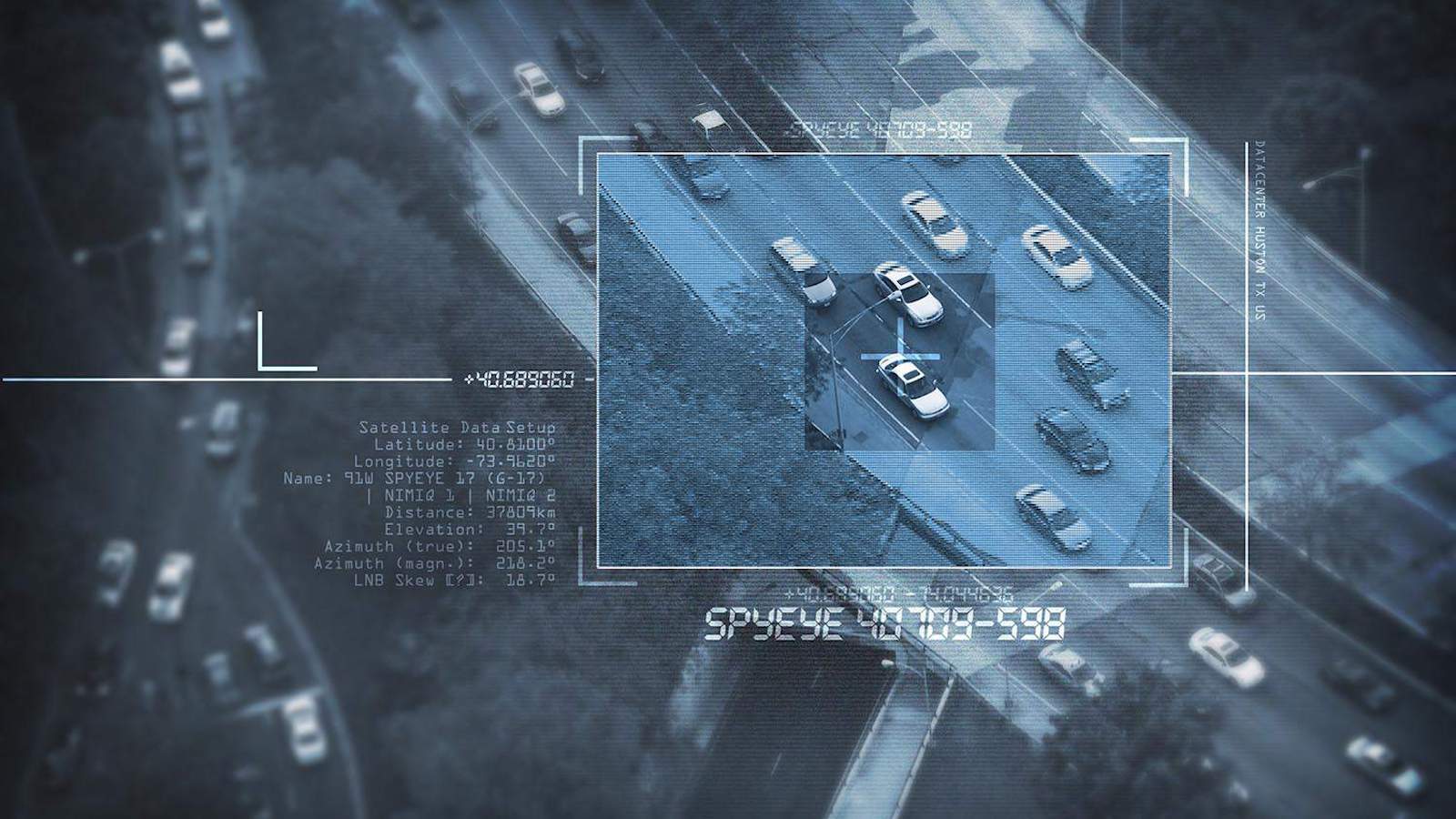
Concerning ICE’s use of Flock Safety, here’s one example of how they are using it to expand government’s surveillance capabilities. Imagine changing your normal routine by driving an alternate route to get to work when you are suddenly pulled over by the police and interrogated because you’re displaying “suspicious” activity. Well, imagine no longer because under a national Border Patrol license plate surveillance program, millions of American drivers across America are being spied on by Big Brother and detained for displaying travel patterns deemed to be suspicious.
The program uses AI technology—of course—that allows agents to monitor domestic travelers, pull over drivers for “suspicious” travel patterns, and detain not just illegal immigrants, but U.S. citizens as well (via Technocracy News and Trends):
Suddenly, drivers find themselves pulled over—often for reasons cited such as speeding, failure to signal, the wrong window tint or even a dangling air freshener blocking the view. They are then aggressively questioned and searched, with no inkling that the roads they drove put them on law enforcement’s radar.
Once limited to policing the nation’s boundaries, the Border Patrol has built a surveillance system stretching into the country’s interior that can monitor ordinary Americans’ daily actions and connections for anomalies instead of simply targeting wanted suspects. Started about a decade ago to fight illegal border-related activities and the trafficking of both drugs and people, it has expanded over the past five years.
This active role beyond the borders is part of the quiet transformation of its parent agency, U.S. Customs and Border Protection, into something more akin to a domestic intelligence operation. Under the Trump administration’s heightened immigration enforcement efforts, CBP is now poised to get more than $2.7 billion to build out border surveillance systems such as the license plate reader program by layering in artificial intelligence and other emerging technologies.
The result is a mass surveillance network with a particularly American focus: cars (emphasis added).
“They are collecting mass amounts of information about who people are, where they go, what they do, and who they know … engaging in dragnet surveillance of Americans on the streets, on the highways, in their cities, in their communities,” said Nicole Ozer, the executive director of the Center for Constitutional Democracy at UC Law San Francisco, about the Border Patrol nationwide driver surveillance system.
As stated above, the foundation for this program was laid nearly ten years ago under Obama with help from the Republican-controlled Congress. In January 2015, the duopoly empowered the US Drug Enforcement Agency (DEA) to create a national database of license plates and driving habits of Americans. Though originally created to combat drug trafficking, the program was expanded to track other “criminals” and was made available to state-level law enforcement agencies.
Donald Trump and the Republican Party took it up a notch in January 2018 when they gave Immigration and Customs Enforcement (ICE) agency-wide access to a nationwide license plate recognition database in the name of immigration control. And in October 2019, they pushed a bill to create a real-time national driver surveillance program known as the “Safe Drivers Act” (SDA), thus making everything a motorist has done available to law enforcement NATIONWIDE at the click of a button.
When Trump lost in 2020, portions of the surveillance program were put on hold, but they were picked up again when Republican frauds and liars joined Democrats to pass Joe Biden’s Infrastructure and Jobs Act that included a provision that allowed the development of a system capable of making government tracking of every trip you take a reality.
Here’s another real-life example of a time when Flock Safety was used by ICE in Loveland, CO (a city just north of Denver) in partnership with local law enforcement (via 9News.com):
Flock cameras are automated license plate readers that take pictures of each plate that passes and add the plate information into a network. Cities, counties, or agencies can opt in to sharing and receiving data with thousands of other law enforcement agencies across the country.
Public records of a Flock network audit released by the Mount Prospect Police Department in Illinois and later uploaded to the records-sharing site MuckRock, show that Loveland Police searched the national database six times in late April and listed “ICE” as the reason for the searches.
Colorado law prohibits local agencies from sharing personal information with ICE without a warrant or subpoena (emphasis added).
U.S. Border Patrol primarily operates within 100 miles of the border but is legally allowed to operate anywhere in the United States, which is why predictive surveillance systems are now embedded into America’s roadways.
While Ring Security system may have killed its partnership with Flock Safety, their role in creating the surveillance state lives on in other programs, such as the Familiar Faces program, a facial recognition feature that identifies people appearing on your Ring cameras.
When you consider the incredibly small steps between “neighborhood cameras that recognize faces” and “neighborhood cameras that search for people,” we’re getting pretty close to the day when Ring will be used by the surveillance state for whatever purpose it wants—especially when you add the fact that Ring’s relationship with law enforcement under the Community Requests program, which Flock was supposed to plug into, will continue operating (one of the “current partners” they promised to work with, I guess).
Ring Security Systems, Flock Safety Systems, and other technologies are making it easier to expand the surveillance state, and while Ring has killed its partnership with Flock Safety, the infrastructure they created is still very much alive.
Free the People publishes opinion-based articles from contributing writers. The opinions and ideas expressed do not always reflect the opinions and ideas that Free the People endorses. We believe in free speech, and in providing a platform for open dialogue. Feel free to leave a comment.