Broken Windows and Broken Ethanol: The Costs Consumers Never See
When Congress talks about affordability, Americans have every reason to pay attention. All consumers benefit from lower costs, but especially those who are already struggling to make ends meet. Unfortunately, those hoping that the recent E15—higher ethanol blend fuels—waiver will provide relief will be disappointed.
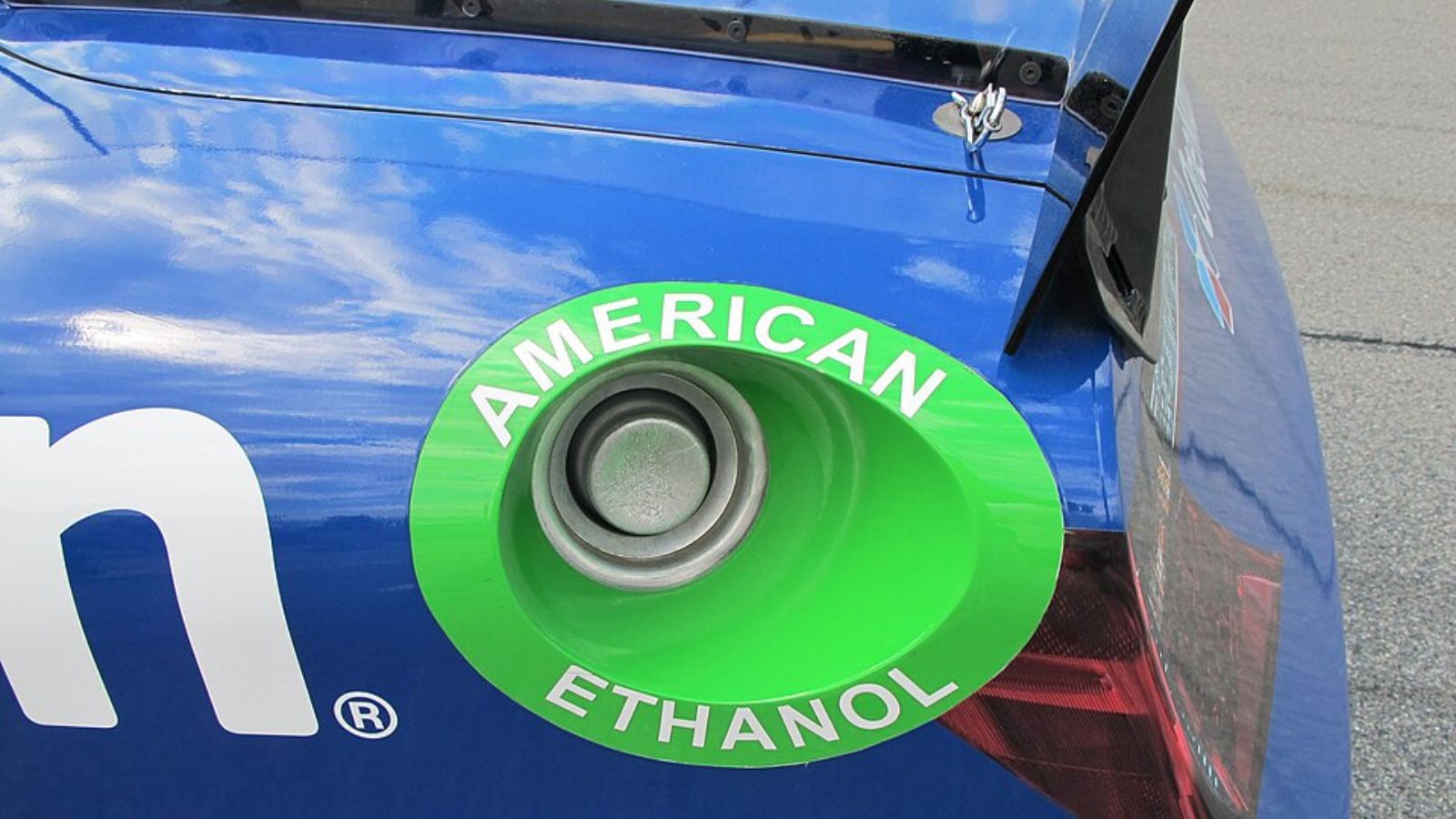
Supporters argue that allowing more sales of gasoline blended with 15 percent ethanol will reduce prices at the pump. Even if consumers occasionally see a few cents shaved off a gallon of fuel, that visible savings tells only part of the story. By focusing solely on the sticker price, policymakers ignore the far larger costs consumers have already paid before that fuel ever reaches the gas station.
Economist Frédéric Bastiat warned against this type of mistake nearly two centuries ago.
In his famous essay on the broken window fallacy, Bastiat describes a crowd watching a shopkeeper whose window has been shattered. Some observers argue that the accident is beneficial because replacing the window creates work for the window maker. The fixed window is visible. What goes unseen is what the shopkeeper would have otherwise done with that money—perhaps buying new furniture, investing in his business, or hiring another worker. Society gains nothing from replacing what was unnecessarily destroyed; resources have merely been redirected.
Public policy often suffers from the same illusion as the onlooker.
The Renewable Fuel Standard (RFS) and decades of ethanol subsidies produce highly visible beneficiaries. Corn growers receive increased demand; ethanol producers expand production, and politicians point to lower advertised gasoline prices. Those are the “seen” effects.
The unseen costs are far broader.
Federal farm programs have long directed substantial taxpayer support toward farmers, with the largest share, $3.2 billion in 2024, dedicated to corn. The subsidies come in different forms and include commodity programs, crop insurance, conservation payments, and other incentives. Rather than simply responding to market demand, these policies encourage greater corn production while making alternative crops comparatively less attractive. The result is a market shaped as much by government policy as by consumer preference.
Those subsidies are paid for by taxpayers long before ethanol reaches the pump.
Federal ethanol blending mandates effectively guarantee demand for ethanol regardless of broader market conditions. Consumers therefore finance ethanol production both through tax-supported agricultural programs and through regulatory requirements that reshape fuel markets.
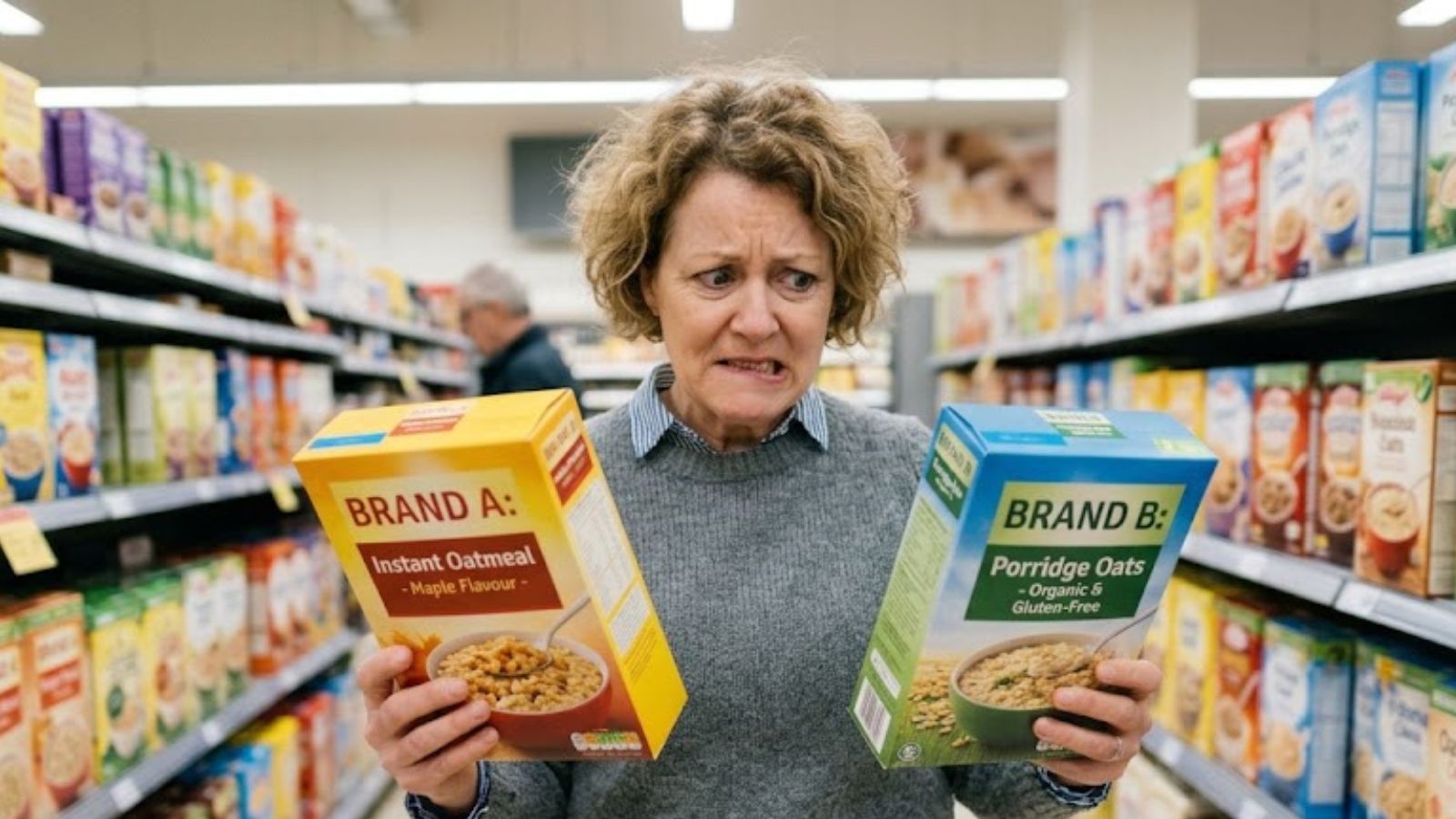
Even when pump prices are modestly lower, those savings frequently disappear once consumers account for fuel economy. Because ethanol contains less energy than conventional gasoline, higher ethanol blends generally deliver fewer miles per gallon. A lower price per gallon does not necessarily translate into a lower cost per mile driven, a distinction many policymakers overlook.
Nor are fuel markets the only place consumers bear these costs.
Corn diverted toward ethanol production becomes unavailable for food and livestock feed, increasing costs throughout the agricultural economy. The Congressional Budget Office concluded that expanding ethanol production contributed to higher food prices by increasing demand for corn and related commodities. Poultry producers have similarly documented higher feed costs resulting from ethanol policies, costs that ultimately work their way into grocery bills.
Viewed individually, each of these costs may appear manageable. Together, they paint a different picture. Consumers help finance corn subsidies through their taxes. They pay again through policies that distort fuel markets. They pay once more through higher food prices. And only after all those costs have accumulated do they arrive at the gas station, where politicians celebrate shaving a few cents off a gallon of E15.
That is not affordability.
It is simply moving costs from one pocket to another.
Real consumer affordability isn’t achieved by masking prices through subsidies and mandates. It comes from competitive markets where producers succeed by offering consumers better value, not because the government has tilted the playing field in their favor.
Congress should remember Bastiat’s lesson. Good policy requires looking beyond what is immediately visible. Until lawmakers account for the hidden costs imposed throughout the ethanol supply chain, promises of cheaper gasoline will remain little more than another broken window.
Free the People publishes opinion-based articles from contributing writers. The opinions and ideas expressed do not always reflect the opinions and ideas that Free the People endorses. We believe in free speech, and in providing a platform for open dialogue. Feel free to leave a comment.