War Is the Health of the State
I was having dinner the other night with a friend, talking about the Trump Administration’s worrisome about-face on the wisdom of regime change wars. “I’ve noticed you are talking a lot more about foreign policy these days,” she said, complimenting a recent Kibbe on Liberty episode with Cato’s Jon Hoffman. “Yes,” I responded. Because I have concluded that it is impossible to achieve the core policy goals I have pursued throughout my entire career—human liberty based on mutual respect, fiscal responsibility and a balanced budget, constitutionally limited government, and non-negotiable civil liberties like free speech—without a return to a more restrained foreign policy. America has often thrived under a more realistic, non-interventionist approach to our relations with other nations, as advocated by the likes of George Washington and John Quincy Adams; even Dwight Eisenhower, who warned Americans against an encroaching military industrial complex and a centralized scientific elite, a bureaucratic blob that could destroy us from within.
Well, Ike was right.
I learned the hard way that endless military interventionism was the Achilles’ heel of the fight for a freer society at the height of the Tea Party. That’s when our hard-won limits on spending (both domestic and defense) were unilaterally abandoned by the Republican majority, including by many self-proclaimed tea partiers, in deference to “fully funding” the War on Terror, more military spending, and an all-powerful surveillance state.
Of course, the military industrial complex is a financial black hole that can never be filled. It drives our unsustainable spending binge, destructive monetary policy that degrades the dollar, and a trampling of civil liberties here at home. Remember that the financing of the research that created a lab-manipulated virus and a global pandemic in 2020, and even the government response and subsequent coverup, was a military intelligence operation. The War on Covid, like all the other wars, ran roughshod right over our core civil and economic liberties.
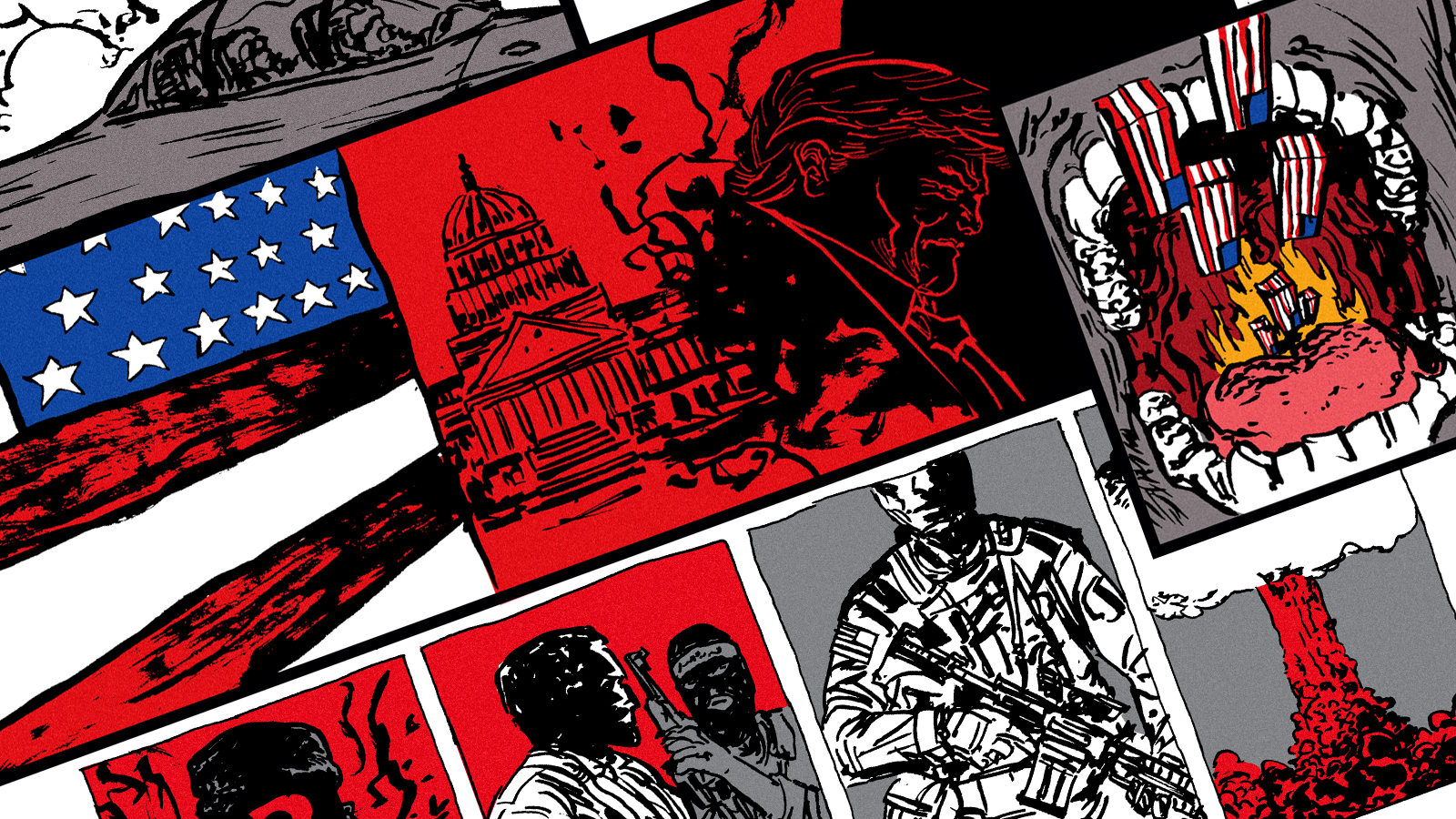
“War is the health of the state,” wrote Randolph Bourne during the height of World War I. He argued that war necessarily expands government power with public appeals to patriotism, rallying the faithful around centralized authority and public conformity, always suppressing dissent.
Which brings us to the latest war. Yes, it’s a war, one that should have been authorized by Congress. But most Republicans, including avowed “constitutionalists,” refused to take the responsibility of their pledged oath of office.
I hope President Trump finds an offramp soon. I don’t know that he will, and he seems to be taking as gospel the foreign policy advice of the worst warmongers in the GOP. The President seems particularly enthralled with Lindsey Graham, whose enthusiasm for dropping bombs—innocents caught in the crossfire be damned—seems downright pathological.
Speaking of unreasonable, President Trump spent yesterday in Kentucky going after consistent war critic Thomas Massie. With his war in Iran going into week two, with seven American soldiers and 165 innocent schoolgirls dead, the Strait of Hormuz blocked and gas prices up 20 percent, and Republicans facing a midterm clobbering, it seems especially irrational and petty for Trump to spend so much personal time and millions of dollars (money that could be used to help fellow Republicans in battleground House districts) on his vendetta against Congressman Massie. Talk about squandering political capital. This quixotic campaign against one of the few voices of dissent against endless wars in Washington will likely fail. (The betting markets actually boosted Massie’s reelection chances *after* Trump’s appearance, with an increase of 16 points, to 68 percent on Kalshi and similar gains on Polymarket!) But at least his favored campaign consultants will still bank their exorbitant fees.
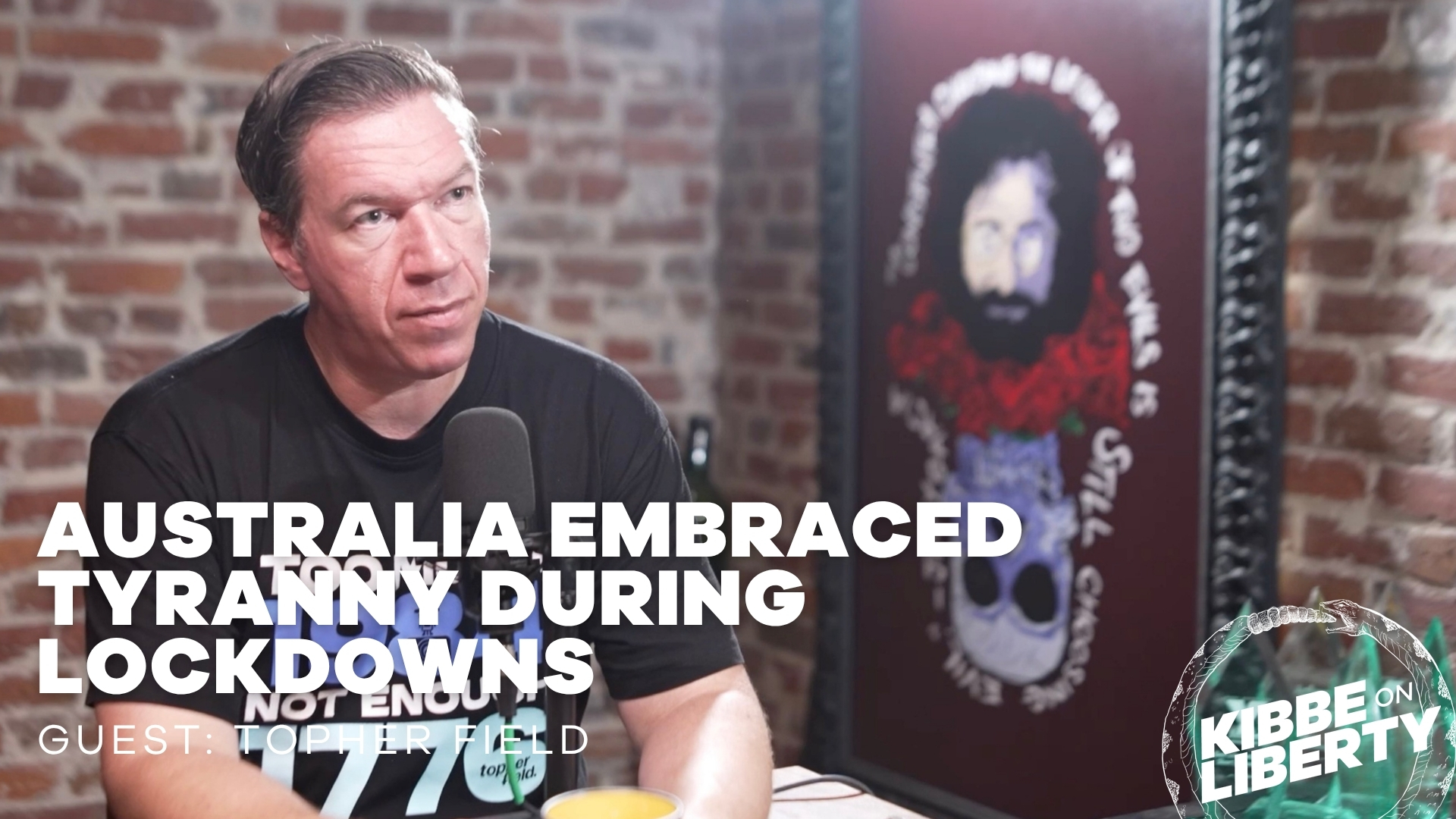
If you’re interested in doing a deeper dive into the complexities and traps that potentially lie ahead in Iran, I recommend two recent shows I did on the subject, with two thinkers who know a lot more than I do. The first was days before the bombing of Iran, with Jon Hoffman of the Cato Institute. The second, with Kelley Vlahos of the Quincy Institute for Responsible Statecraft, is from just a few days ago, one week into Operation Epic Fury.
Having debated the wisdom of American military interventions going all the way back to the Gulf War, I understand how controversial non-interventionist arguments can be in the heat of the moment. I would love to hear from you and get any feedback or thoughts spurred after listening to these conversations.
As with the government’s authoritarian response to Covid, this current battle is one that all of us at Free the People feel compelled to engage with. It’s that important, and we will continue to speak truth to power with urgency, openness, and humility.