What Corporate Executives Can Learn from the Cracker Barrel Saga
Cracker Barrel announced last week that Julie Masino would be succeeded in her CEO and Director roles, effective August 10, by former Bloomin’ Brands CEO David Deno. Her failed tenure shows what happens when executives discard the most basic principles of business leadership.
Although a company filing claims Masino was terminated without cause, this was an expected result given her leadership over Cracker Barrel’s disastrous rebranding efforts last year, which hurt its stock price by over $100 million.
Masino was the second high-profile executive to leave the company since the rebranding effort, following DEI consultant Gilbert Dávila, who resigned after receiving only 42% of shareholder support at Cracker Barrel’s annual meeting last November.
Too often, our corporate leadership class confuses social trends with long-term vision. Cracker Barrel now joins companies like Disney and Bud Light as a cautionary tale of what can happen when a company loses sight of its business fundamentals. For executives at other major American companies, the Cracker Barrel saga provides three strong lessons that, regrettably, still bear repeating:
- Remain committed to your distinctives
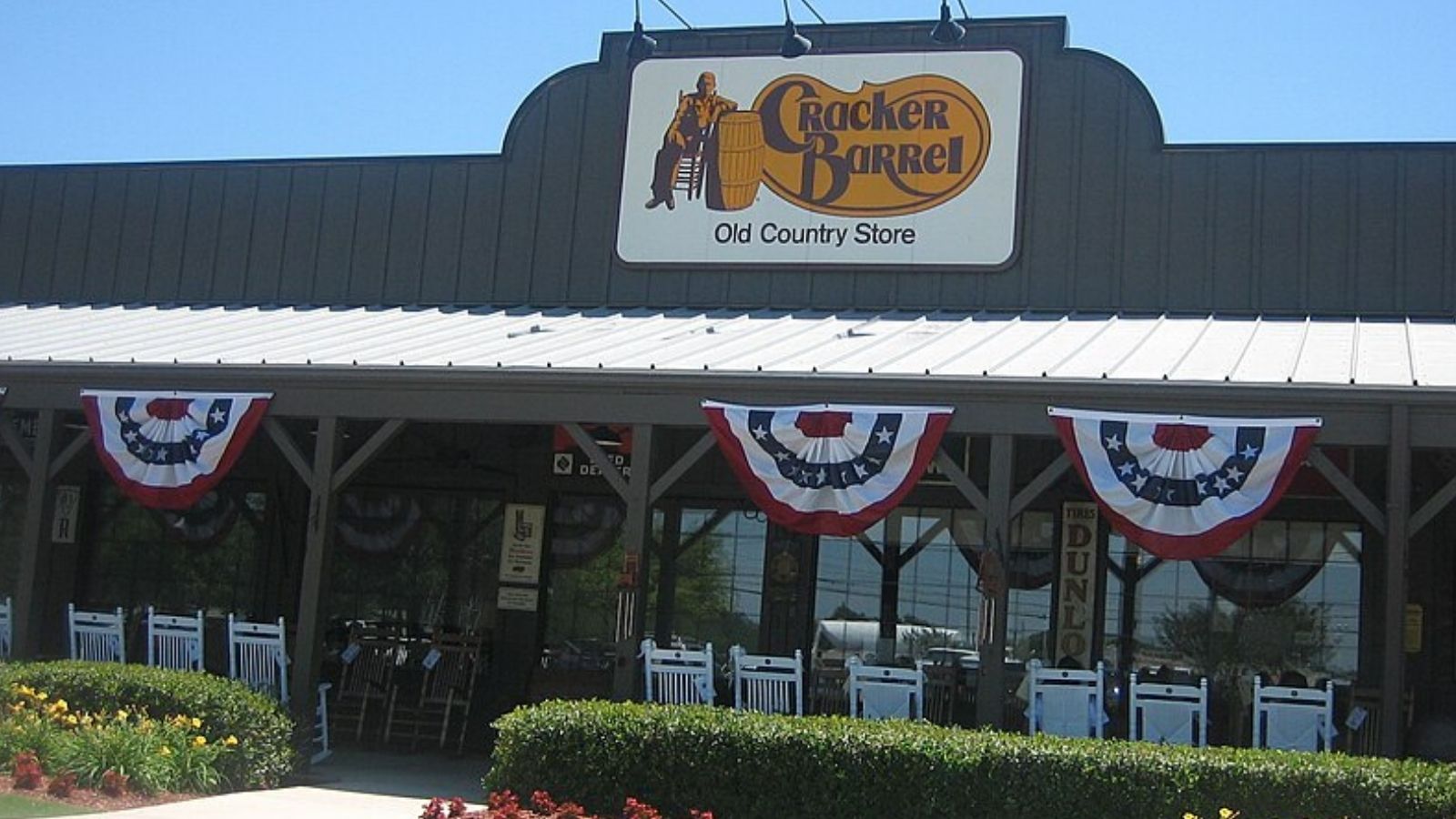
Cracker Barrel’s mistake revolved around redesigning its logo and stores in an attempt to modernize the chain. This included removing Uncle Herschel from the logo and tearing down the antiques that lie at the heart of the Cracker Barrel aesthetic.
Consultants will inevitably boast about the cost-saving results of generic building design and minimally decorated interiors, but eating out is about more than the cost of rent and food. This is why the public is nostalgic for the old-school Pizza Hut and Taco Bell experience. We intuitively understand that customers care about the memories they make as they dine out with their families and friends. They want to eat at a place that is warm and feels like home, not a hospital cafeteria.
- Embrace your customer base
The fight to preserve Cracker Barrel is about preserving the delight of Southern food and hospitality. Controversial social and political issues, adding alcohol to the menu in 2020, and painting the walls gray during store remodels are all distractions from and a betrayal of this experience.
The primary responsibility of a public company is to create value for its shareholders. Companies that want to succeed in the long run should focus on improving their goods and services, including customer experience. Companies should regularly ask themselves, “What can I do to enhance the experience of my existing customer base?” and be cautious of giving outsized attention to corporate trends that can shift very quickly.
- Listen to stakeholders with constructive feedback
Julie Masino notably claimed that the feedback she received from team members and customers on Cracker Barrel’s redesign was “overwhelmingly positive.” Given that the remodel was considered a failure across the board, it is clear she was listening to her consultants but not her customers. Companies that want to succeed should ensure they listen to their customers, especially ones who are passionate about the company and are offering constructive criticism.
Furthermore, companies should listen to those with “skin in the game.” In 2024, major Cracker Barrel investor Sardar Biglari, who owns about 16% of the company, explicitly warned company executives against the redesign. In his 120-page presentation titled “Cracker Barrel is in Crisis,” Biglari explained how a $700 million remodel plan cut directly against the company’s spirit of being an “old country store,” which had never been remodeled since it was founded over 50 years ago in 1969.
It is one thing for a company to ignore feedback from internet trolls or anonymous users. However, it is inappropriate for companies to ignore constructive feedback from those who have a vested interest in the company’s success. Cracker Barrel has now implemented some of Biglari’s recommendations, but only time will tell if it becomes open to his board candidacy after a long history of opposing it.
The Cracker Barrel saga is striking because corporate leaders should be savvy enough to never make such rookie mistakes. Yet it is proof that no brand is immune from the damaging effects of modern ideology.
Masino’s ousting is one of many reforms Cracker Barrel’s leadership must make to turn the company around. Corporate executives across the country would do well to study this saga closely lest they repeat the same costly mistakes.
Free the People publishes opinion-based articles from contributing writers. The opinions and ideas expressed do not always reflect the opinions and ideas that Free the People endorses. We believe in free speech, and in providing a platform for open dialogue. Feel free to leave a comment.