There’s No Place for Tough Love in Politics
Politics is the game of the salesman. What politicians want more than anything is your vote, and in order to get your vote, they have to sell you a vision that appeals to you. Defenders of representative democracy laud the system as one that forces politicians to be accountable to their constituents, taking the concerns of the electorate seriously or else risking expulsion from government. This sounds good in theory, but in practice it turns out that politicians, like any other kind of salesmen, will tell voters just about anything to close the deal, regardless of whether their statements have any relation to reality. No one ever lost an election by flattering the voters, and as we have seen in recent years, it’s always a mistake to tell the electorate what you really think of them. That’s part of why Hillary Clinton, with her comments about “deplorable” Americans, lost to Donald Trump in 2016.
So, what happens when voters wholeheartedly hold beliefs which are simply not true? The savvy politician knows that it would be political suicide to try to correct the public’s misapprehensions. No one likes being told “you’re wrong”, after all. All the incentives instead push politicians towards the soothing position of “the customer is always right”, even when that’s objectively not the case.
This is not a new problem, but it is one that we are now seeing play out on a scale that I, at least, have not witnessed before. If you frequent online spaces where young people hang out, you will hear one sentiment repeated over and over again, ad nauseam, like a piece of religious dogma that cannot be questioned. Gen Z has it worse than any previous generation. The American dream is dead, we’ll never own a home, and it’s all the Boomers’ fault.
Now, before you angrily click away, let me concede a couple of points to the doomer crowd. Affordability is a real problem. Housing prices are far too high, inflation is unacceptably bad, and America’s health care system is a disaster. I don’t dispute any of that, and it’s the kernel of truth that underlies any convincing falsehood. All these problems should be addressed, and the government’s refusal to do so is yet another indictment of the immeasurable malice and incompetence of our elected officials. All this, I grant.
But, the idea that life in 2026 America is worse than it was for previous generations is simply ridiculous. We live in the wealthiest country in the world at the wealthiest time in human history. The standard of living for the average 25 year old would make ancient kings and pharaohs gasp with wonder. To name just a few of the luxuries of modern life, we enjoy hot and cold running water (clean, drinkable water, mind you); indoor plumbing and sewage services (no chamber pots or outhouses necessary); state of the art automobiles in every garage and public transportation in most cities; a handheld supercomputer in every pocket, loaded with the entirety of the accumulated knowledge of mankind; air conditioning (as World Cup tourists discovered to their amazement); more music, movies, games, books, and other entertainment than we could explore in a hundred lifetimes. It’s possible to travel the globe in a matter of hours, not weeks, and be in instant communication with anyone no matter how far away they are. People are making good money, not by toiling all day in dangerous factories or mines, but by sending emails from the comfort of an office building, playing video games for an audience, or taking photos of themselves in their underwear. And if enjoying all that luxury tires you out, you can have food from every cuisine on Earth delivered straight to your door. In fact, food is so abundant that the biggest health risk faced by our poorest citizens is obesity rather than starvation.
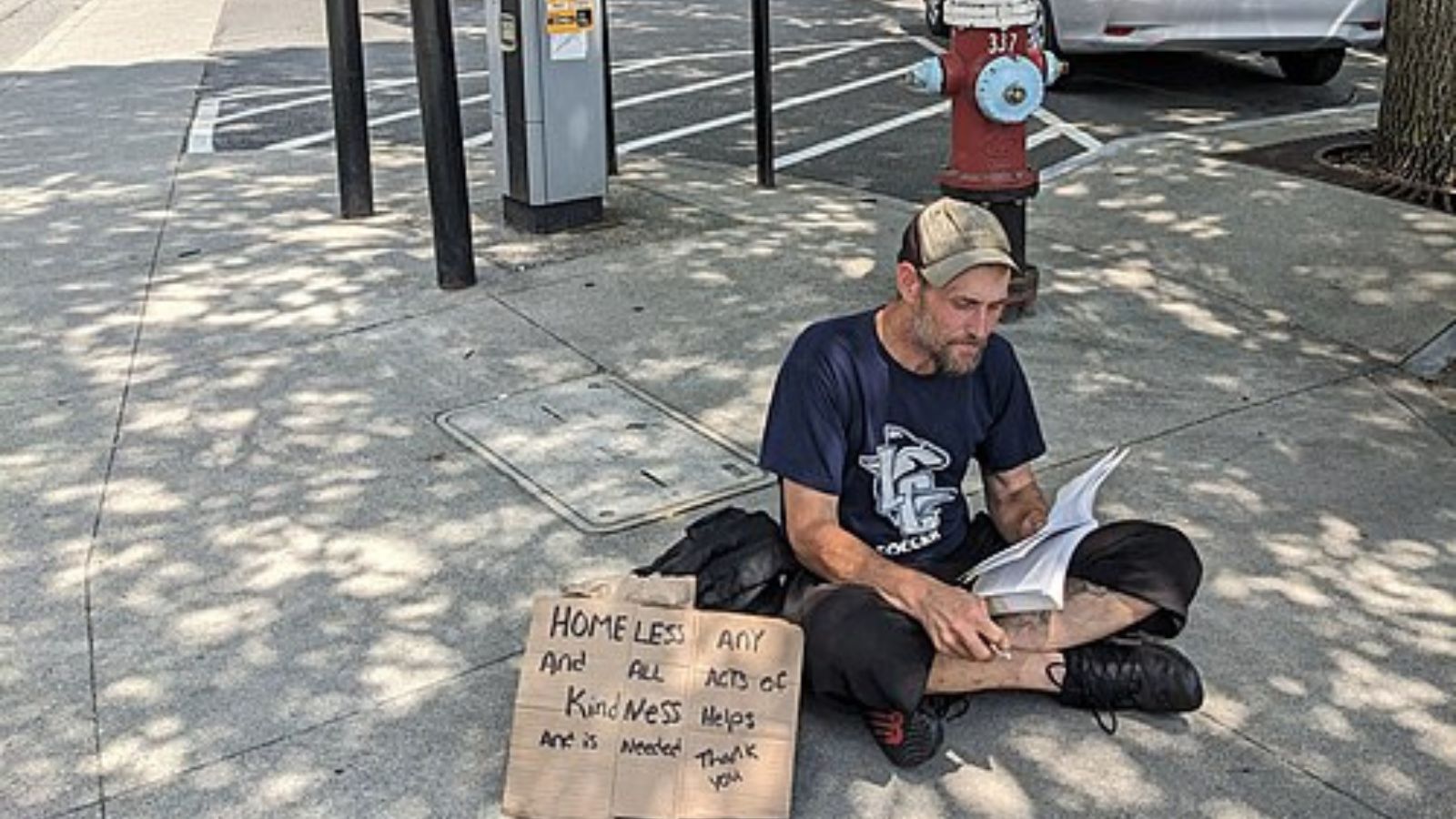
And yet, in spite of all this, people have never been more convinced that life is a raw deal and that they’ve been cheated out of some imaginary birthright. Young people are forgoing having children because they believe that raising them is too expensive or, worse, that the world is so awful that it would be crime to drag another life into this miserable place. Disgruntled youngsters are romanticizing the life of a feudal peasant, believing that the grueling and uncertain labor of subsistence agriculture for the benefit of a tyrannical lord to be preferable to spending an hour in a Zoom meeting. These are the same people seething with envy at their grandparents who lived through the Great Depression or were drafted to fight, and potentially die, in World War II.
The preceding is not merely the “when I was your age” ranting of an elderly curmudgeon; the delusion of Gen Z oppression is perfectly demonstrable with data. Despite the widespread belief that it’s impossible for young people to buy houses, Americans in their 20s are actually outpacing previous generations in terms of homeownership. And in defiance of their self-perception as a perpetually, institutionally impoverished class, Gen Z is on pace to become the wealthiest generation ever.
I could present more data, but there’s little point, because no amount of studies or spreadsheets will change how people feel, and right now people feel poor. Why they feel that way is a bit of a mystery to me. I suspect it is from a combination of ignorance of history (if you want to feel good about your situation in life, try reading about the Anglo-Saxons) and a deliberate propaganda effort by elite institutions like universities and the media. Whatever the case, statistics are no match for emotions, or in the parlance of today, “lived experience.”
Some people in politics have tried to draw attention to this disconnect between belief and reality. In a stunning lack of political tact, White House Press Secretary Karoline Leavitt accused Gen Z of being born with silver spoons in their mouths. The fact that this point may have some truth to it is irrelevant to those who want to be told that their struggles are indeed unprecedented and that their feelings are “valid” (whatever that means.)
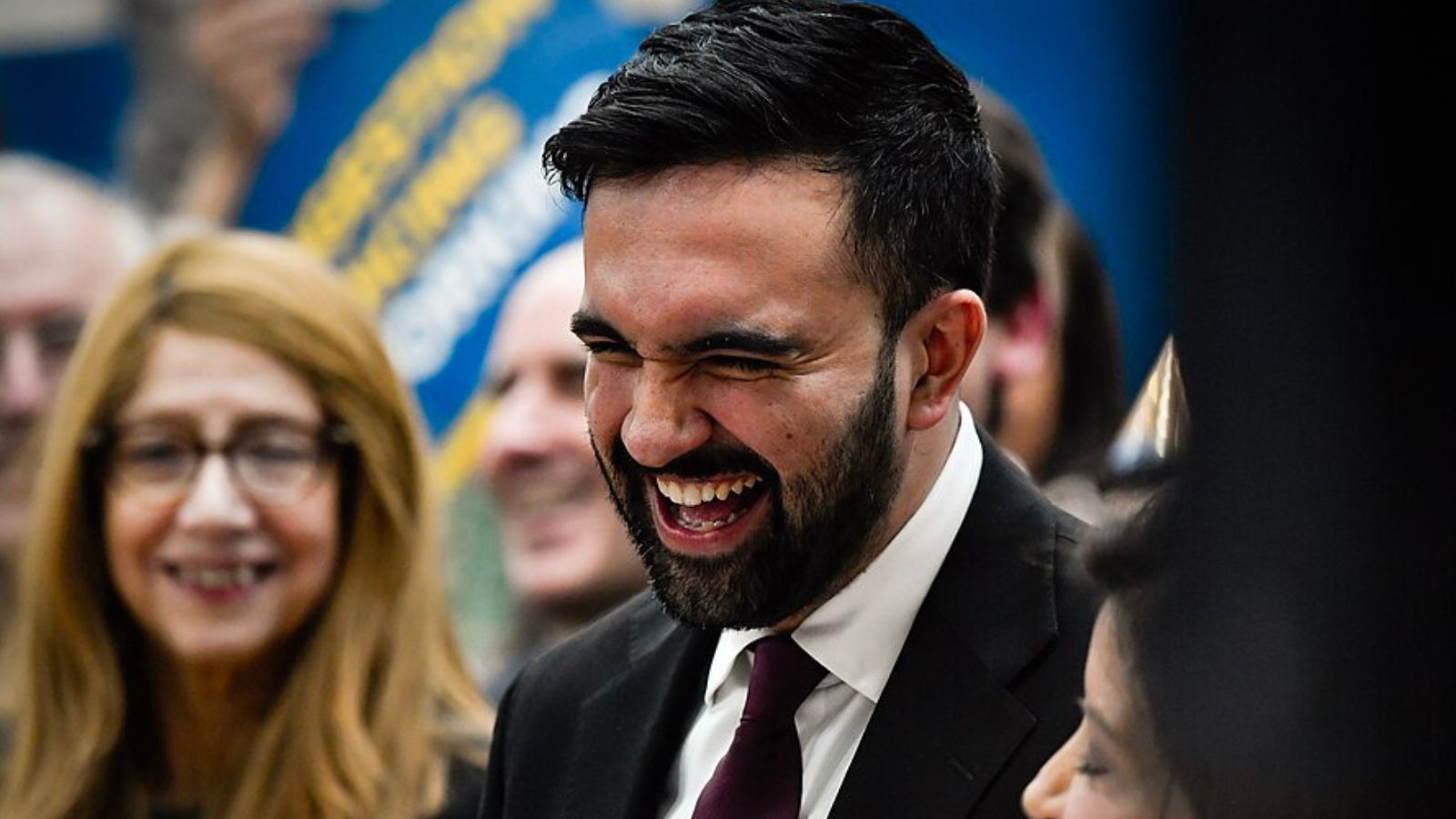
Meanwhile, smarter politicians are finding ways to capitalize on the pessimism of youth. In New York, Mayor Zohran Mamdani ran a brilliant campaign based on telling people that nothing is their fault, and that the government will fix everything for them. Never mind that his half-baked socialist solutions have repeatedly failed in the past. He listened to voters and then repeated their own opinions back at them, which is really all anyone can ask for. The fact that more politicians are not emulating this strategy is frankly surprising, but as Alexandria Ocasio-Cortez ramps up for a potential 2028 run at the presidency, I think we can expect to see a lot more agreement that, yes, Gen Z are in fact the innocent victims of their evil predecessors.
It’s a cynical play coming from the Party who spent the last few years desperately trying to shut down “misinformation” online, but what else can we expect from politics but cynicism? It turns out it’s only misinformation if it helps get the other guy elected. Otherwise it’s simply “your truth” (as distinct from “the truth”).
There’s no place for brutal honesty or tough love in politics. If you want the support of the public, you have to tell them what they want to hear, even if what they want to hear is a big fat lie.
Free the People publishes opinion-based articles from contributing writers. The opinions and ideas expressed do not always reflect the opinions and ideas that Free the People endorses. We believe in free speech, and in providing a platform for open dialogue. Feel free to leave a comment.