The Future of AI, Art, and the Internet
As technology gets better and better and Artificial Intelligence (AI) becomes more of an integral part of our lives, people are beginning to long for something “real.” I spent last weekend at South by Southwest in Austin, attending some of the panels being held in conjunction with the main festival, and a common theme was that people are beginning to reject AI-generated content, and in a lot of ways, the online echosphere as a whole, in favor of authentic art and in-person experiences. As someone who works in content creation, social media, and digital marketing, this was quite refreshing to hear.
I am someone who spends way too much time in the online space consuming social media content, and as such, it is really easy to think that this is what society as a whole is becoming. People consumed by digital content and AI are more distant from reality, where the click-incentives bring about division rather than cohesion. However, when getting offline, “touching grass,” and interacting with people in the real world, you find that it is simply not a reality that most people live in.
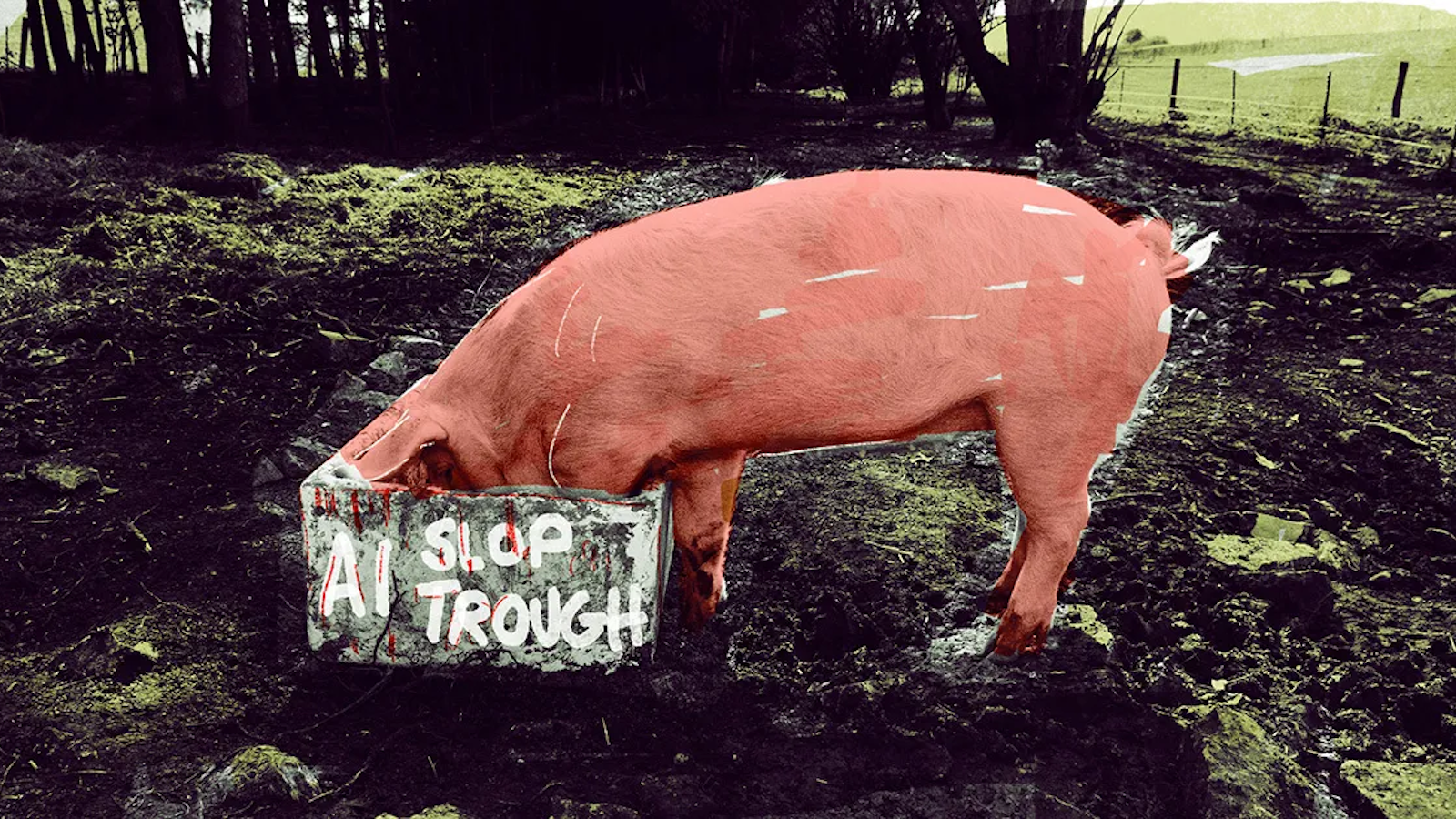
Now moving to the emergence of AI-slop material. It began as somewhat of a novelty, but as the technology has gotten better, our social feeds are being filled with it posing as a legit form of art. When it was used for turning the President into a baby while giving a speech, it was funny because everyone was in on the joke (even I will admit to using it for this purpose). Now, realistic AI videos fill our feed, and I’m often annoyed because the moment I realize it is AI, I get this feeling of regret in my stomach that I just wasted valuable time.
As AI-generated content has gotten more realistic, it is hard not to get black pilled on where the direction of media goes. It is something we talk about often at Free the People. Here, we pride ourselves on making quality human-created art. We have questioned whether AI will replace the human touch as it gets more realistic, and if our style of production will be phased out. Instead, what is starting to emerge is this renaissance of human creation. AI is almost too perfect; people enjoy art that has flaws in it, the human element stands out subtly, and makes it more enduring. I know there are people who feel that eventually AI will be able to account for this as well. I am not so sure. I have often theorized that as AI becomes more common, human-created art will become a luxury brand. People will yearn for it, and the few left still creating it will thrive in a sea of AI-slop. As Andy Pearson, the VP of Creative, Liquid Death, put it at The Fast Company Grill event, “We crave that real authenticity… It’s something that, as our eyes deceive us more and more, will become much more important.”
The second point that was focused on heavily through the weekend was winning at in-person experiences. During Covid, people got used to being stuck online all the time. Now people are starting to long for human connection, and normies are getting off social media and actually going to events in the public square away from their algorithm-curated echo chambers. As our feeds are being inundated with bots and trolls designed for division, the people are rejecting it. We want more human connection, and when we discuss culture, politics, or whatever, and we disagree, we want to know that it is at least in good faith. Credit to Bridget Phetasy, who recently pointed out that in the online space, there is a lack of a threat of violence compared to in person. To expound upon this, people simply run their mouths, and civil discussions don’t happen. See, when there is the threat of confrontation, people are more likely to have civil disagreements, as you are less likely to insult someone who is sitting right in front of you compared to an avatar on a screen. Not to mention, civil disagreements are severely lacking in our society, even though they are how we find common ground and co-exist. I, for one, love having thoughtful conversations with people I disagree with, but social media is not conducive to that anymore. People get very angry and start throwing insults when you respectfully challenge their opinion. Which is why I am glad social media does not represent the pulse of the nation.
Overall, AI has its place as a tool that can be used to help make our lives more efficient and even assist in the creation of art in ways that were inaccessible before. Right now, we are in the experimental phase of what that looks like. The consumer will determine at what point AI-generated content goes too far, and it is incredibly motivating to hear so many thought leaders, running major businesses, seeing that market forces are signaling that we are coming up on the limit, and confirming this feeling I’ve had about the direction of media and art.
Free the People publishes opinion-based articles from contributing writers. The opinions and ideas expressed do not always reflect the opinions and ideas that Free the People endorses. We believe in free speech, and in providing a platform for open dialogue. Feel free to leave a comment.