
History Repeats Itself: New York Socialism May Pave the Way for Home Confiscations
New York City’s new mayor, Zohran Mamdani, wasted no time showing his commitment to socialism. After being sworn into office, Mamdani appointed Cea Weaver as director of the Mayor’s Office to Protect Tenants. Weaver, a member of the Democratic Socialists of America, has come under fire for unearthed social media posts and interviews where she called home ownership a “weapon of white supremacy,” and even advocated for treating private property as a “collective good.” One tweet even bluntly demanded: “Seize private property!”
To make matters worse, Weaver has proposed the idea of race-based home collectivization efforts, specifically targeting white families: “…will mean that families, especially white families, but some POC [people of color] families who are homeowners as well, are gonna have a different relationship to property than the one that we currently have.”
Mamdani quickly defended his new appointee by praising her record of “standing up for tenants across the city and state.” But, if Mamdani has taught us anything, it is that he has little issue with Weaver’s racist and unconstitutional proposals. Mamdani’s own campaign promises included: “[s]hift[ing] the tax burden from overtaxed homeowners in the outer boroughs to more expensive homes in richer and whiter neighborhoods,” as well as forcibly seizing houses and apartments from property owners under the guise of ‘putting bad landlords out of business.’
New York City’s flirting with socialist property seizures seriously ignores history. In fact, socialist dictators have consistently seized homes from the very people they claimed to protect under the guise of the ‘collective good’—ultimately leading to mass displacement, poor living conditions, and even death.
Venezuela: “Expropiese!”
Throughout his reign, Hugo Chávez depicted himself as a warrior for the Venezuelan working class. While his marketing mirrored the propaganda of socialists who came before him, so did his domestic policies. In 2010, Chávez expropriated a number of private apartment complexes on the outskirts of Caracas, accusing builders of price gouging and delays. Residents like Wally Garcia, who had saved for years to buy his home, suddenly found their investments in limbo. Maduro’s government promised to finish the projects and to protect home buyers, but many units remained unfinished and abandoned, often leading to squatters and infrastructure decay.
This policy saw no slowing down under Chávez’s successor: Nicolás Maduro. Under Maduro’s control, colectivos, militant civilian groups supported by the regime, forcibly occupied private residential and commercial properties under the guise of expropriating property of Venezuelans who had “betrayed the country” by fleeing Venezuelan socialism. Despite claiming that these seized properties would be used for social housing initiatives, the colectivos often use them to gain illegal profits, and to extort occupants. Many Venezuelan citizens claim their homes were turned over to sympathizers, friends, and relatives of the Venezuelan regime.

Cuba: “We May Compensate You Later…”
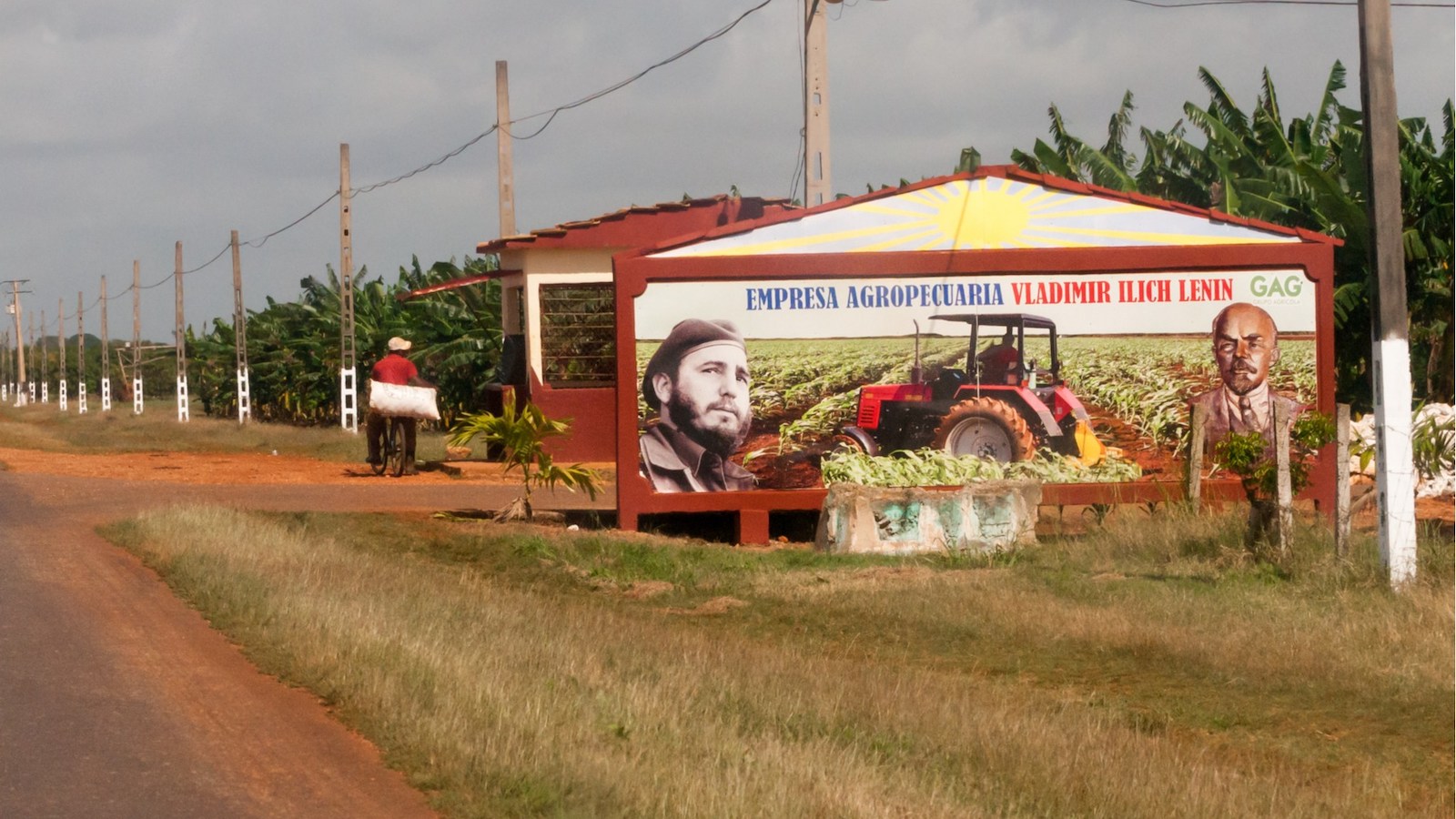
After Fidel Castro’s 1959 revolution, the State seized billions in privately-held assets—farms, mills, houses, hotels—from Cuban families and U.S. owners without compensation. Castro’s communist officials would often announce: “We own this now—we may compensate you later,”—yet that compensation never came, and once privately-held homes and other property still remain in the hands of Cuba’s dictator class. Nicolás Gutiérrez, a Miami-based consultant, still fights for his family’s confiscated properties, as well as thousands of other Cubans’ stolen property which now amounts to approximately $100 billion dollars. Cuban exiles hope diplomatic thaws will bring a restitution, but decades later, they remain empty-handed. Castro’s “collective” ownership turned a once-prosperous island into a crumbling relic, complemented by food rations, routine blackouts, and nonexistent medical care.
China: “You Have Property Rights, Unless…”
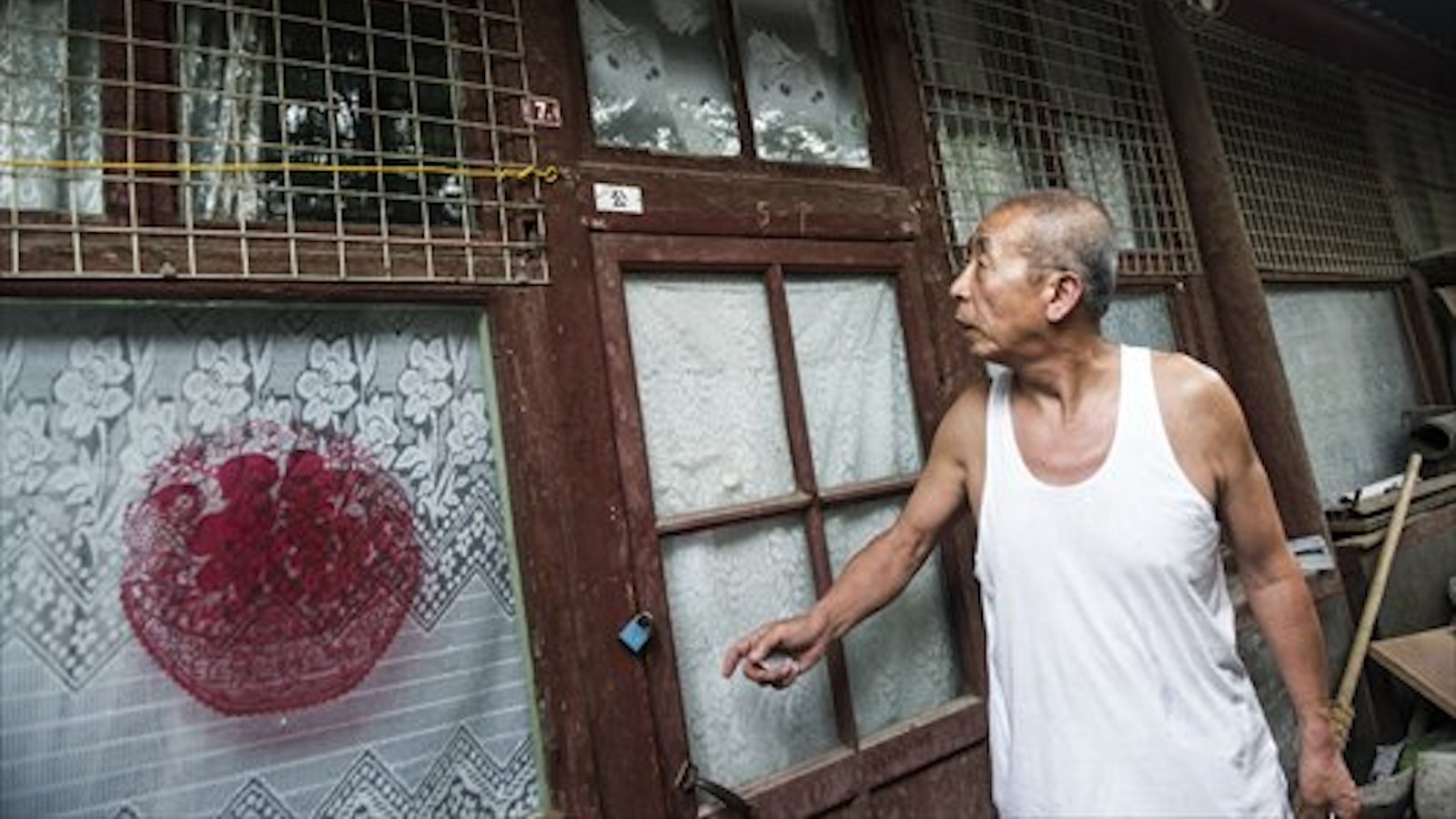
China’s 1958 socialist transformation fared no better. CCP authorities seized countless private homes during Mao’s push for collectivization, leaving families like Qian Juping’s petitioning to repossess their homes for decades. Despite codifying Chinese citizens’ right to private property in the nation’s constitution, the CCP often finds ways around this ‘inviolable’ right. In 2020, cities like Shenzhen requisitioned personal property under the guise of fighting Covid—citing emergency powers. Under this dictate, local governments seized private homes, commercial property, public venues, and vehicles suspected of being contaminated, and forced private businesses to produce any materials deemed necessary in fighting Covid.
Collectivization Within the Iron Curtain
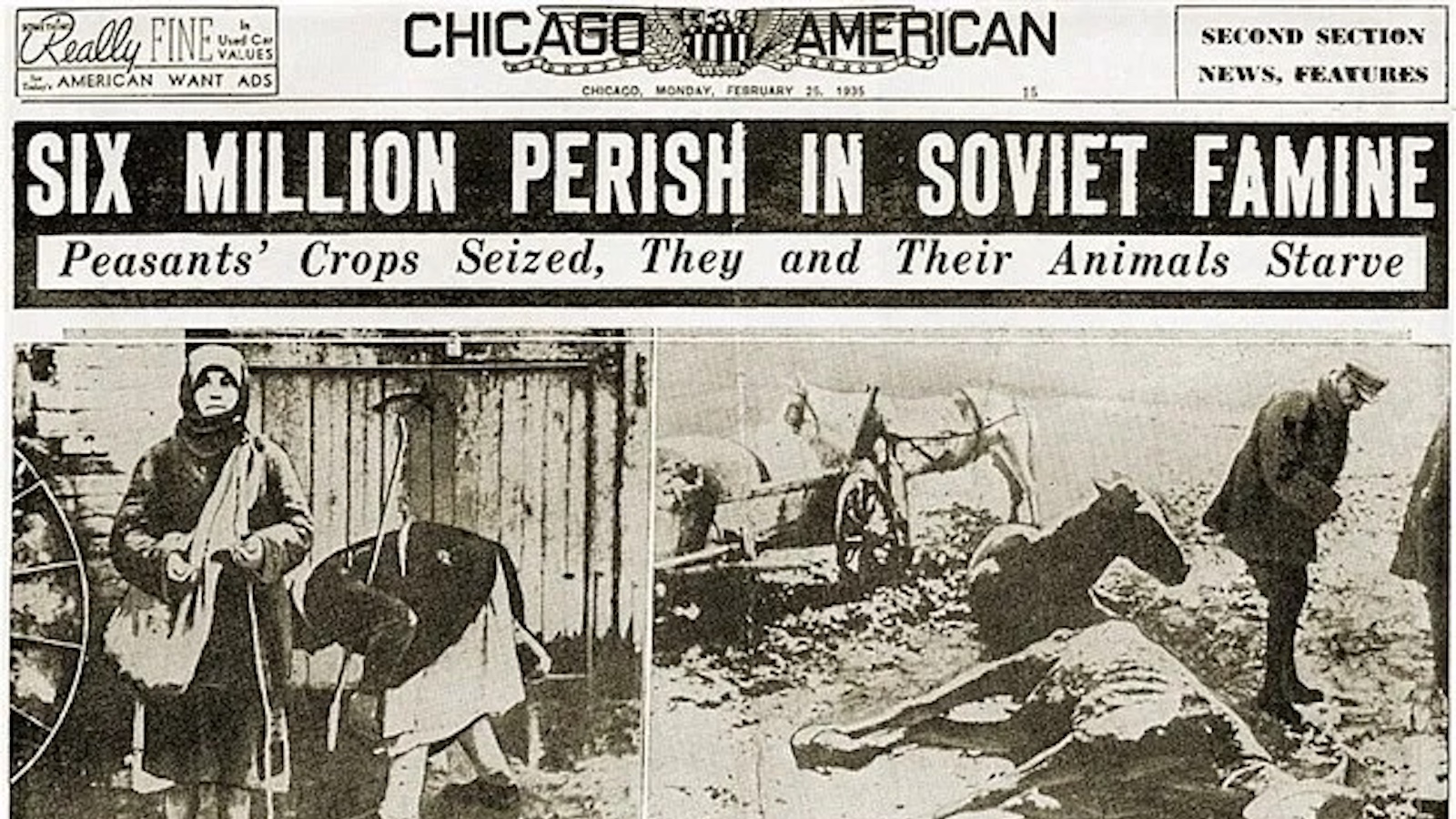
Under Stalin’s iron fist, Ukraine suffered one of the worst man-made atrocities ever seen: the Holodomor. In the name of collectivization, Stalin furthered Lenin’s dekulakization policies by seizing farms, livestock, and homes from supposedly wealthy peasants who resisted State interference. Millions of Ukrainians were either deported, executed, or forced onto collectively owned farms. With communists finally in control of the “means of production”—having effectively abolished private property—a man-made famine brought about by grain seizures, food blockages, and travel restrictions soon took the lives of an estimated 4 million Ukrainians between 1932 and 1933.
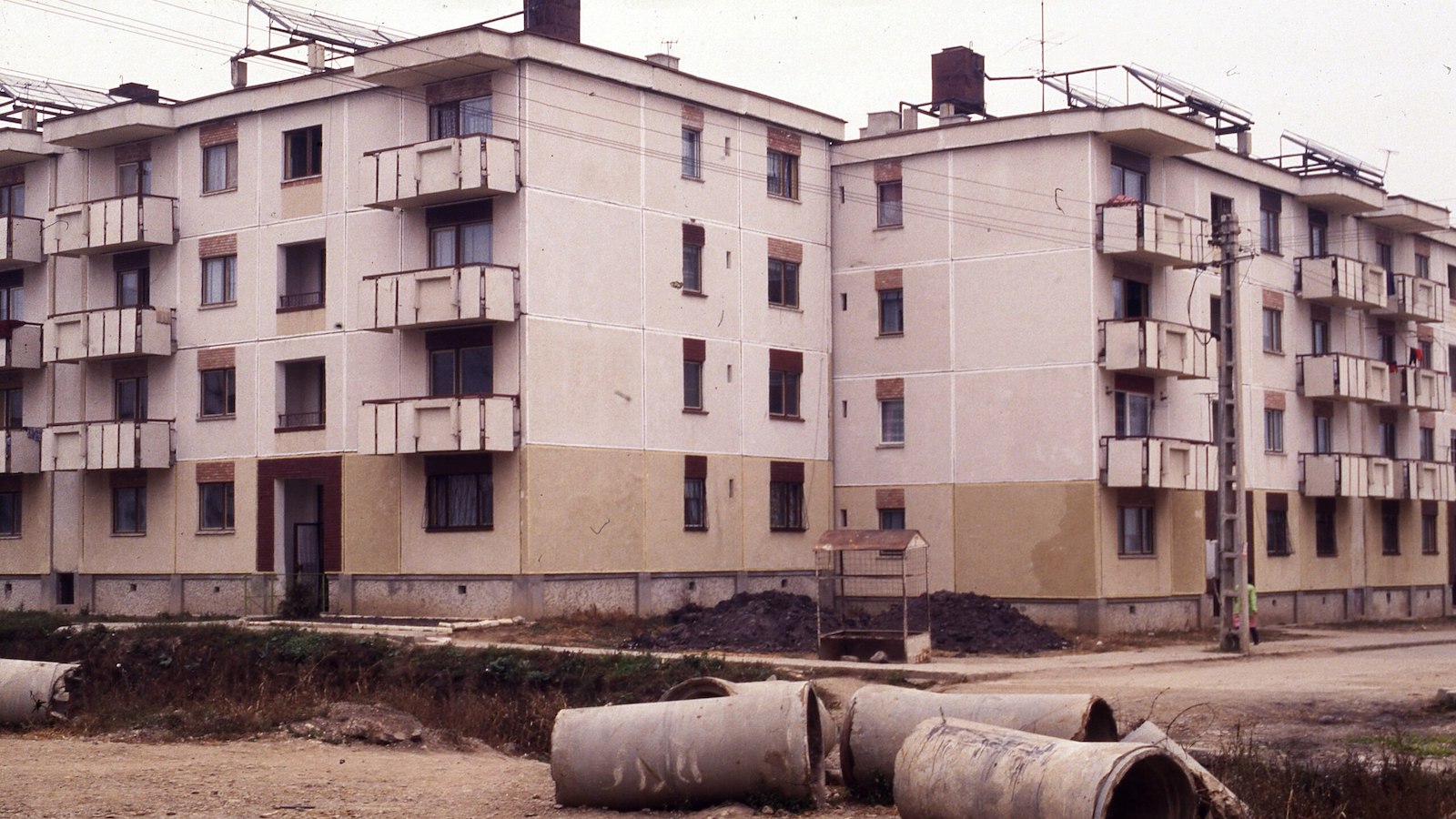
Under Nicolae Ceaușescu’s rule, Socialist Romania experienced a systematization scheme which planned to raze thousands of villages and force its occupants into collectivized tenement housing. Ceaușescu described this private property as “irrational,” and forced Romanians to watch as their family homes, churches, and historic sites were demolished and replaced with poorly constructed concrete blocks. While Ceaușescu ultimately failed to raze all of Romania’s historic buildings and villages before his 1989 ouster and execution, the scars of his rule remain etched in Romania’s crumbling infrastructure.
Mamdani’s “warmth of collectivism” isn’t innovative, it’s a recycled disaster plan. From Venezuela’s gang-infested apartments, to Cuba’s decaying homes, from Ukraine’s mass graves, to Romania’s forgotten villages, one truth is clear: when the government treats homes as “collective goods,” ordinary citizens end up with nothing.
Free the People publishes opinion-based articles from contributing writers. The opinions and ideas expressed do not always reflect the opinions and ideas that Free the People endorses. We believe in free speech, and in providing a platform for open dialogue. Feel free to leave a comment.