
Happy Juneteenth! | Guest: Tom Krannawitter | Words & Numbers | Ep 511
You should absolutely care about Juneteenth. Tom Krannawitter joins us to talk about why.
00:00 Introduction and Overview
00:20 Two Dan Sullivans Running in Alaska
02:57 Lawyers Using AI in Federal Court
04:10 Foolishness of the Week: Switzerland’s Population Cap
10:12 Fear of Declining Living Standards
12:03 Juneteenth with Thomas Krannawitter
13:13 The Origins of Juneteenth
16:03 Why the 13th Amendment Completed the American Founding
18:59 Juneteenth and the Fourth of July
24:21 America’s Anti-Slavery Principles
30:17 Jefferson, Slavery, and the Declaration of Independence
32:46 The Truth Behind the Three-Fifths Compromise
37:05 Jefferson’s Personal Contradictions
43:36 Why America’s Founders Saw Slavery as Wrong
48:01 Why Juneteenth Should Unite Americans
52:04 Aristotle, Freedom, and Forgiveness
55:41 Black Wall Street and the Promise of Liberty
59:20 Jefferson’s Grave and the American Story
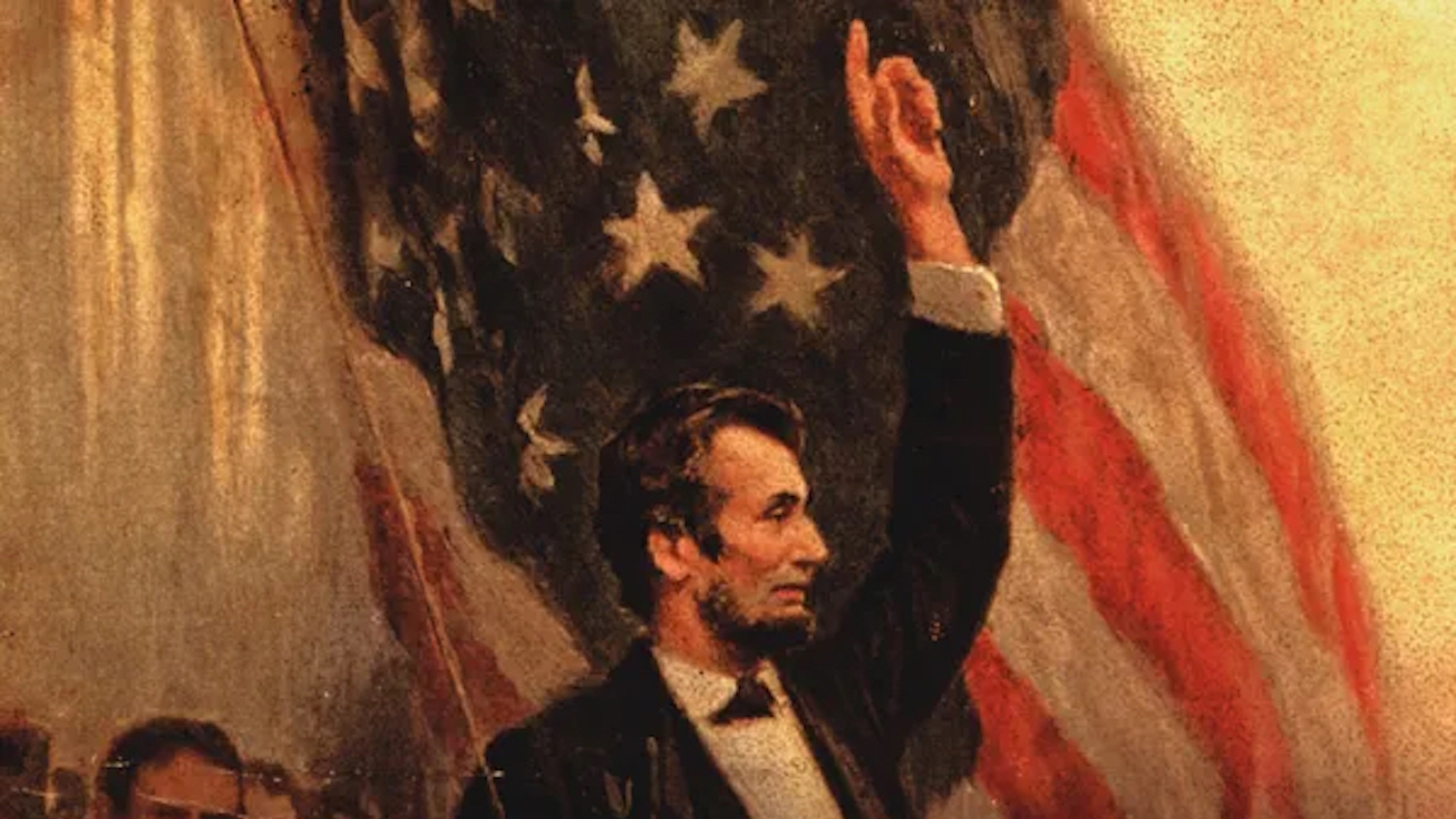
01:01:54 Lincoln, Equality, and Richard M. Johnson
01:07:15 Why Juneteenth Matters Today
01:08:18 Waypoints Teaching and Closing Remarks
Subscribe to Words & Numbers on Apple Podcasts, Spotify, YouTube, Substack, or anywhere you listen to podcasts.



David Simpson
Thank you very much for a wide ranging and intelligent discussion. I was surprised that none of you made any reference to the British Empire’s abolition of slavery throughout the empire, at considerable cost (compensating slave owners and using the navy to suppress the slave trade). Why was Britain able to do this and not America? And how much impact did that have on the debate in America? Also no reference to the considerable negative impact on the southern states of the federal government’s tariff policy, which was designed to protect northern manufacturers and effectively penalise the south. At some points in the run up to the civil war the south through tariffs was funding the majority of federal government expenditure. I believe at some point the south actually offered to abandon slavery in exchange for the abolition of tariffs. Lincoln refused because he depended on the revenue from tariffs (much of which was collected at Fort Sumter)