Can the West Stop Propping Up Dictators?
The West is quick to support “resistance fighters” without considering the immediate, deadly consequences.
The enemy of your enemy… is not your friend. In December of 2024, former President Joe Biden applauded the toppling of Bashar al-Assad’s regime in Syria as a “fundamental act of justice,” and looked forward to working with the new regime to “build a better future for their country.” With Abu Mohammad al-Jolani seizing control and forming a new Islamic government in Syria, American and European politicians began to look forward to rebuilding a “liberated” Syria, one which, unlike its predecessor, would behave more amicably with the West. However, like clockwork, Jolani’s new Syrian government was quick to seize control through violent and merciless force; thousands of Syrian Christians, Alawites, and now Druze, are being gunned down, tortured, raped, and even sold into slavery while Western media now conveniently sticks its head in the sand.
Despite decades of propping up regional “freedom fighters,” why do the U.S. and Western nations never fail at intervening in foreign politics, and consistently work to replace one dictator for a new, more violent, one?
Interventionism—The Foreign Policy That Keeps Failing
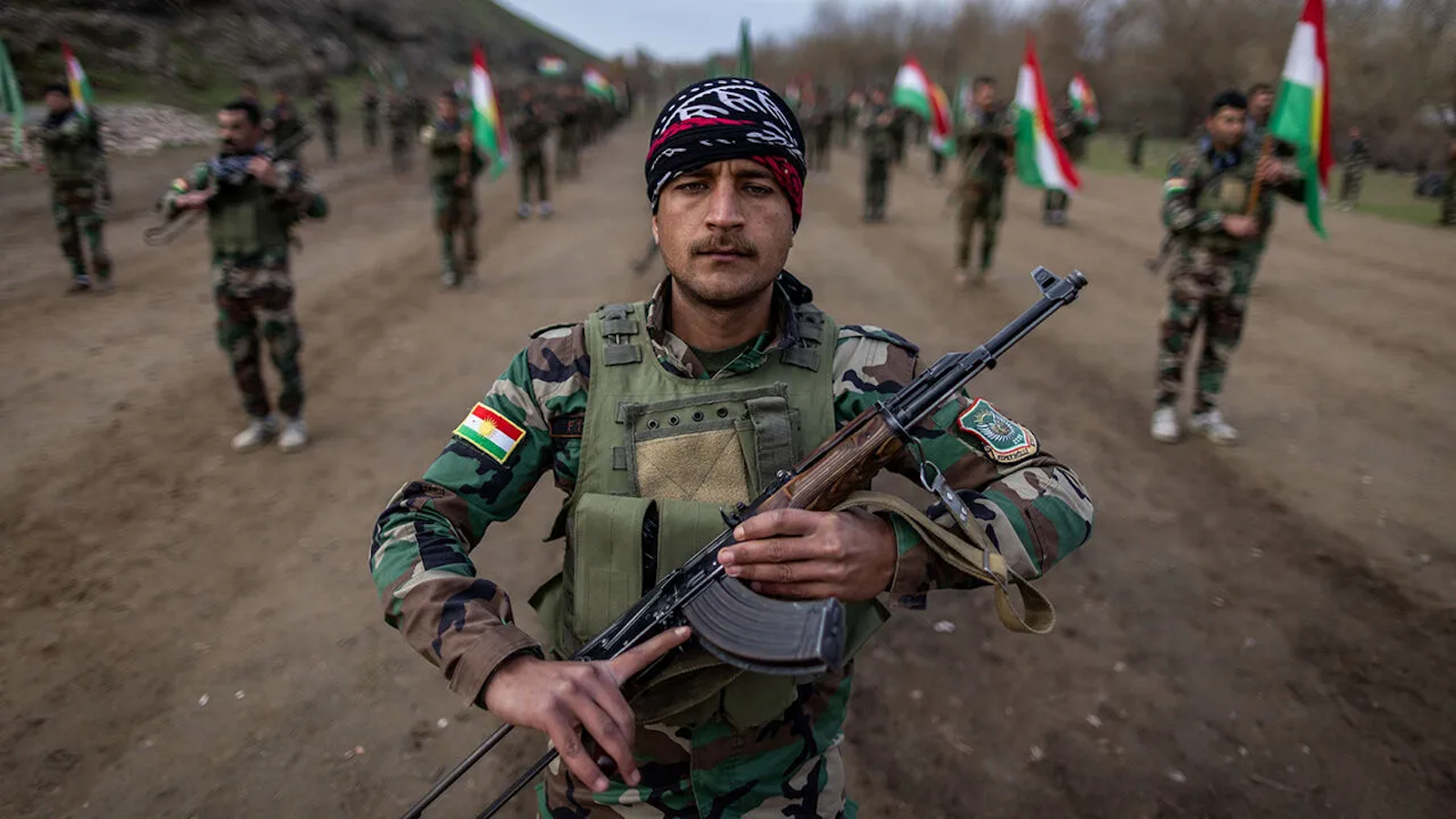
Syria’s regime change is nothing new; in fact, it is another prong in a decade-long strategy to oust a leader from power, and install a more Western-friendly head of state. From the CIA’s Operation Timber Sycamore which armed and trained Jihadi rebels to combat Assad, to funding insurgents known for terrorizing Assyrian civilians amidst the fight against ISIS terrorists, to Israel’s attempt to secure a demilitarized zone in Syria, foreign actors have been quick to interject in Syrian politics, even if it means destabilizing the region.
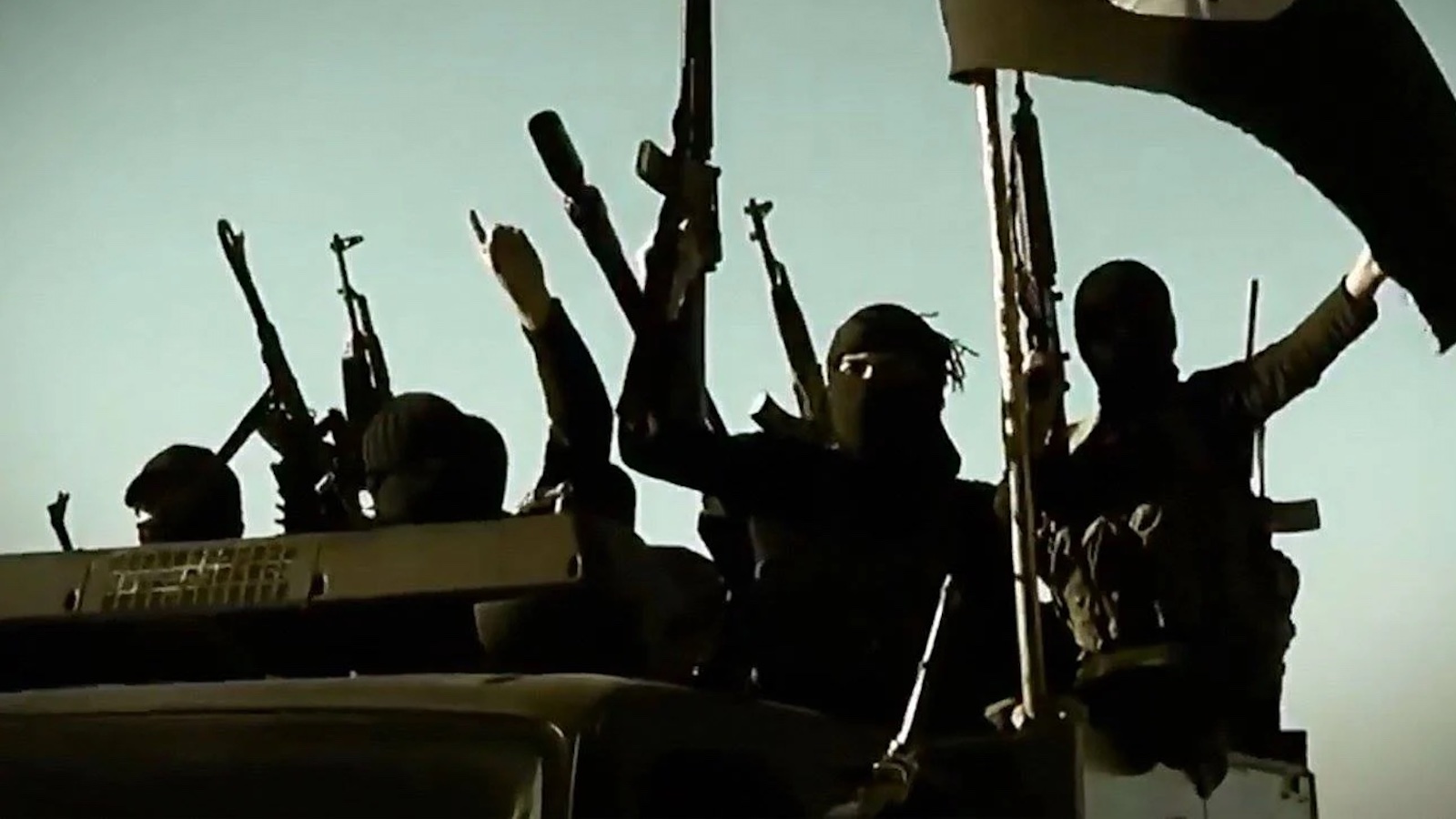
Unfortunately for Syrians, while Assad is out of the picture, a new, more dangerous force has entered the stage: Abu Mohammad al-Jolani, a known al-Qaeda terrorist and jihadi looking to carve out another Sharia state, much like current Taliban-control Afghanistan.
Since Jolani’s rise to power, Syrian minorities have been at the mercy of its extremist rulers. Syrian Christians, along with Alawites, a religious minority in the region, suffered over a thousand dead, as the new Syrian government hunted them down in the streets of cities like Tartus and Latakia. Eye witnesses report on pregnant women, children, and the elderly summarily executed on site, with an rising number of Alawite women and girls abducted and sold into sex slavery—reminiscent of ISIS’ reign just a decade ago.
Now the Jolani-terrorist regime is setting its eyes on the Druze—another cultural and religious minority group systematically targeted by the new regimee—as firefights erupt near the capital of Damascus, resulting in the systematic claiming the lives of over 100 people.
This sort of violent extremism is nothing new. For decades, Syrian minorities have often been threatened with expulsion and death. Having survived under the iron fist of ISIS, locals lived their lives while inundated with slogans like: “The Christians to Beirut and the Alawites to the grave.”
The recent uptick in sectarian killings and jihadist rhetoric brought about by Jolani’s rise doesn’t appear to be slowing anytime soon. Instead of “liberating” the people of Syria like Biden and EU leaders claim to have wanted, we are seeing yet another instance of mass killings, religious cleansing, and the emergence of an ISIS-like regime which falls short of any sort of “democratization” effort. After introducing Sharia and commanding sectarian violence, Jolani is now claiming that it could take up to four years before elections could be conducted in the new Syrian government.
Despite the West’s considerable past involvement, it appears the Syrian situation won’t improve anytime soon.
The Consequences of Inadvertently Funding Extremists Groups
Nearly ten years after President Trump’s phasing out of Timber Sycamore, Syria is now left with more instability, destroyed infrastructure, and forced migration than it began with. Approximately 14 million Syrians have fled their homes since 2011, as the World Bank estimates between $5-7 billion in structural damage throughout the country. Internal fighting continues to yield needless casualties, threatening a peaceful future for remaining civilians. The economic uncertainty and simultaneous rise of Jolani signifies a crucial point in Syria’s contemporary history, and global responses to his rule will determine what happens next.
Some members of the international community and mainstream media are fully invested in legitimizing Syria’s new administration. The United Nations raised the new green, white, and black flag as Foreign Minister Asaad Hassan al-Shibani briefed the UN Security Council last month. His and Jolani’s promise for a “new Syria” is echoed in countless features on BBC, CNN, and the like. Foreign Ministers from France, Germany, and Brussels followed the above pattern of irresponsible endorsement through meetings in Damascus earlier this year. Since then, Jolani’s attended a donor conference hosted by the European Commission, and more recently attended the Antalya Diplomacy Forum in Turkey, a nod to Erdogan’s support for his tenure as Hay’at Tahrir al Sham’s leader in Idlib during the civil war. French President Emmanuel Macron even rolled out the red carpet for a joint press conference in Paris, receiving unexpected mixed responses from an audience eager to hold Jolani accountable for his past.
However, the United States remains cautious, issuing conditions for Jolani and his new cabinet to agree to before rewarding them with sanction relief. From cooperation on counterterrorism efforts to the destruction of chemical weapons storage, the current regime is arguably far from reaching a satisfactory level for America to grant its offered extension of a two-year exemption allowing transactions with Syrian institutions. The future of Syria seems to lie in incentives for its economy, and only time will tell if its jihadist leaders will capitalize on national prosperity, or an expansion of Idlib’s last eight years.
The Goal Is Power, Not Democracy
Unfortunately for the locals, apart from harshly-worded tweets and the obligatory “thoughts and prayers” messages, it doesn’t appear the international community is all too interested in putting an end to the genocide currently underway in Syria. Instead, the West’s decade-long strategy of intervention has effectively begun to balkanize the Syrian state, weakening internal power structures while victimizing the countless minority groups stuck between a bloodthirsty fanatic regime, and Western indifference.
As Jolani’s influence grows in and out of Syria, the chance for survival of minorities in the state slims. While world leaders intend to stabilize the region by funding and training various insurgent groups in the never-ending fight against terrorism and barbarism, the citizens living in regions like Syria are forced to bear the brunt of their decisions, even if it means paying the ultimate price.
War Doesn’t Discriminate
From Iraq to Afghanistan, from Libya to Syria, our politicians have been quick to order regime change and support “freedom fighters” who too often turn out to be worse than their predecessors. While good intentions may be present in these foreign policy decisions, it is glaringly obvious that intervention often leads to power vacuums—and in Syria’s case—thousands of civilian bodies left in the streets as a result.
To add insult to injury, these interventionist measures also damage American lives as well. From Benghazi to the botched Afghanistan withdrawal, American service members have lost their lives thanks to the disastrous political decisions our leaders made while juggling decades-long international conflicts. While security and democracy have been espoused by Western leaders from Washington to Brussels and beyond, it is clear that instability has become a constant in the Middle East, and will continue to be so until the war games cease.
Until then, minority groups in Syria and other failed nations are left at the mercy of global politics, with no one to turn to for help, but themselves.
This article was co-authored by Connor Vasile and Lora Karch. Lora Karch is an independent analyst focusing on geopolitics in the Middle East. Her work has appeared in The National Interest, The Libertarian Institute, and Global Security Review. Find her on X @LoraKarch.
Free the People publishes opinion-based articles from contributing writers. The opinions and ideas expressed do not always reflect the opinions and ideas that Free the People endorses. We believe in free speech, and in providing a platform for open dialogue. Feel free to leave a comment.